Student module presentations · March 2023
INSTAGRAM
Student module presentations · March 2023
If Instagram is unavailable, use the original post link below.
2021–2023 · Concept development from 2021 · Launch & first cohort 2022–2023
I conceived the school and led its creative direction: bringing a team to Gusev, developing six programmes and guiding a first cohort of 120 teenagers.
In 2021, while exhibiting digital fashion with SXEMA in Moscow, I met representatives of the Kaliningrad region. I proposed a school where teenagers could learn digital creative skills and, in time, access remote work without having to leave their hometown.
I began developing and formalising the idea in 2021, preparing the concept for the funding proposal with regional partners. The project secured a RUB 60 million grant to establish the school in Gusev, equip its spaces and make creative education available to teenagers free of charge.
As concept originator and creative director, I reshaped the existing educational model around digital practices rather than its theatre-oriented starting point. I recruited the curators and co-developed and reviewed the six programmes with them, bringing their contributions together and leading preparation of the curriculum documents for licensing.
I personally led the collaboration with the Krespektiva foundation and local administration, bringing together educators, curators and administrative staff for the launch. SXEMA was the studio I founded and directed: I negotiated the partnerships, recruited the specialists and coordinated their work. Teaching began in September 2022; 120 teenagers completed the first academic year in June 2023.
The idea took shape after my meeting with regional representatives at Created in Moscow in August 2021. Formal collaboration with the Krespektiva foundation followed in February 2022. By July, the curriculum had been approved, the education licence obtained and the first teachers relocated. Equipment checks and trial open days in August prepared the school for its September opening.
By spring 2023, I had established the operating processes and appointed a new school curator to take over day-to-day coordination, while I moved towards external partnerships. The first academic year concluded in June. Building an organisation that could continue beyond my direct involvement was part of the project’s outcome.
The students’ own projects show what this learning environment made possible: a character developed from sketches into a 3D model, a digital clothing collection and an interface design. These are the teenagers’ works, presented at their project reviews.
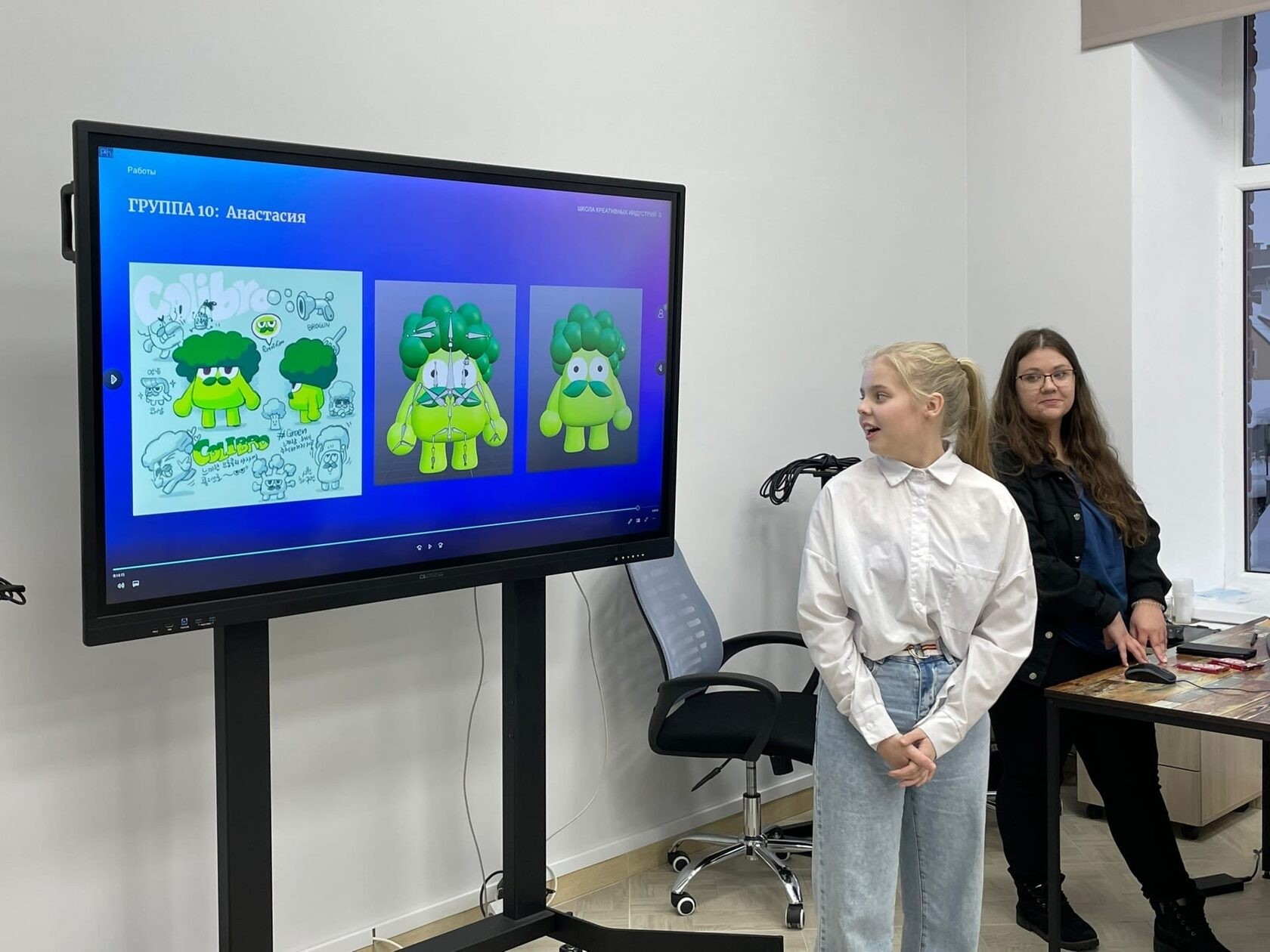
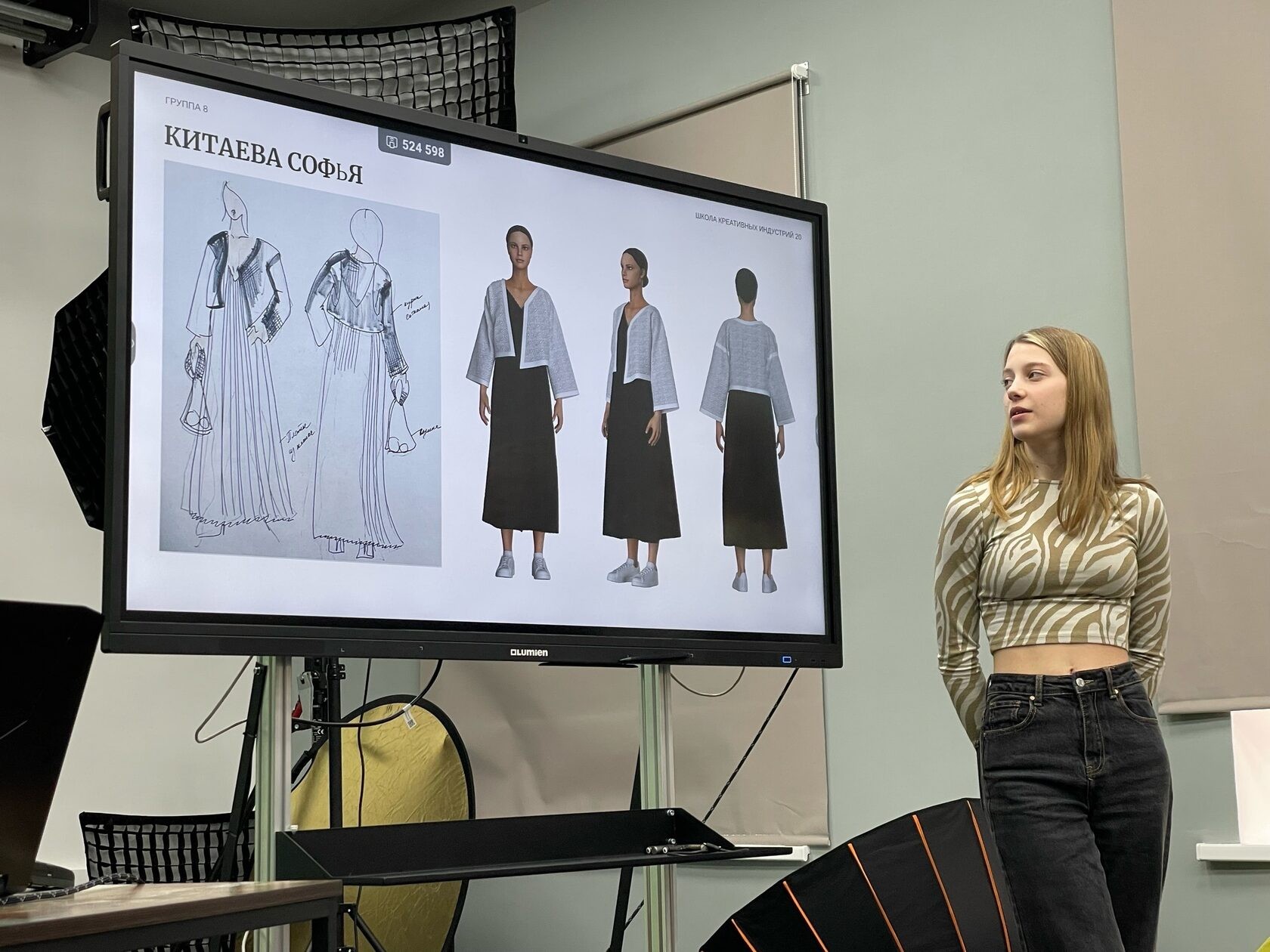
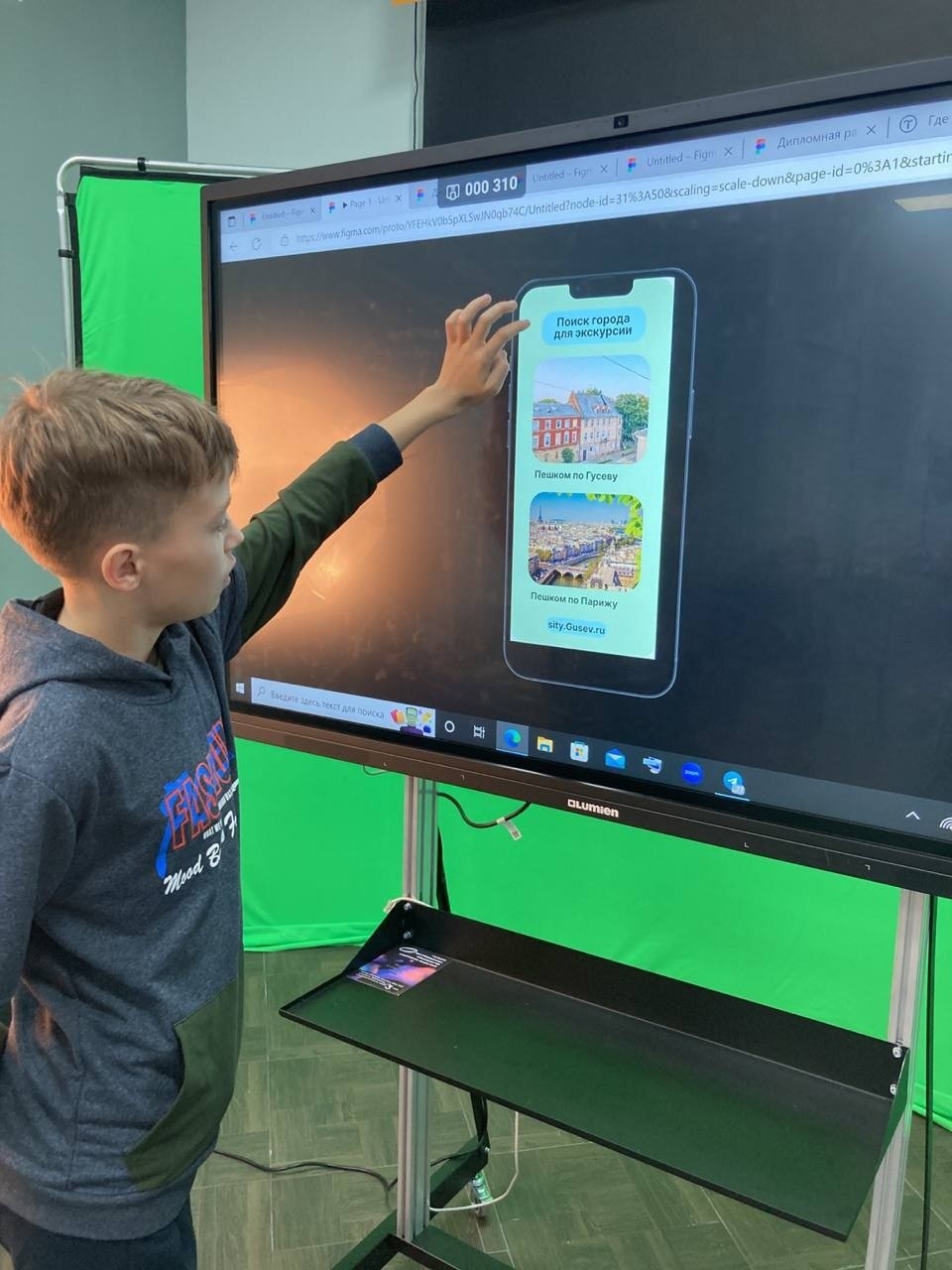
Six disciplines shared a foundation in creative experimentation, with specialist teaching led by the discipline curators.
I structured the three-year learning journey with the curators: in year one, students explored all six fields through individual projects and workshops; in year two, they chose a specialisation and developed individual and group work around partner briefs; in year three, teams would bring different disciplines together in larger collaborative projects. This was the programme design; my leadership covered its launch and first academic year.
I persuaded 12 educators to relocate to Gusev and worked with the local administration to arrange housing. Some have continued living there. The school began with in-person teaching; an online platform followed later. Several curators came from my SXEMA team, creating a close exchange between studio practice and education.
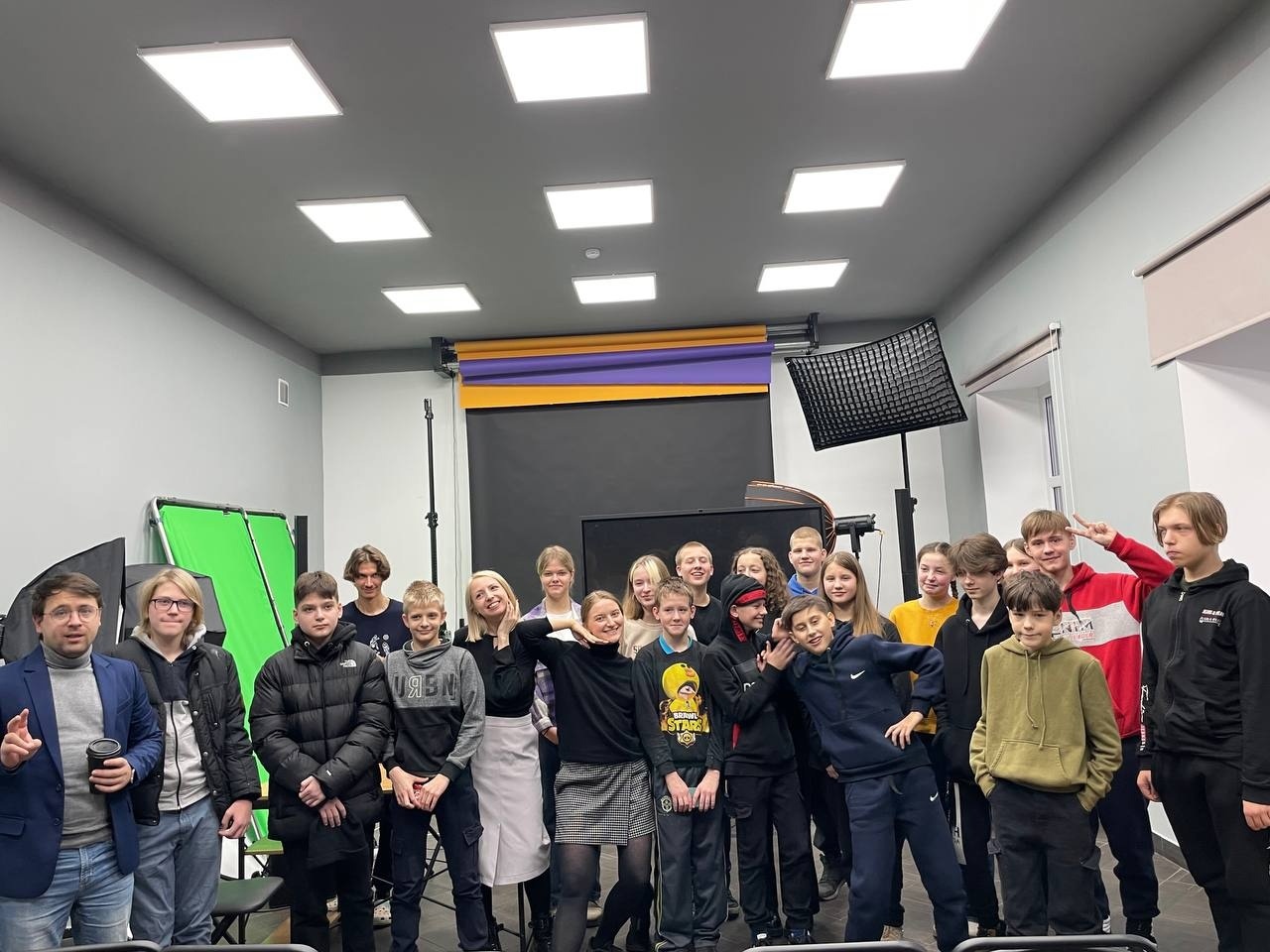
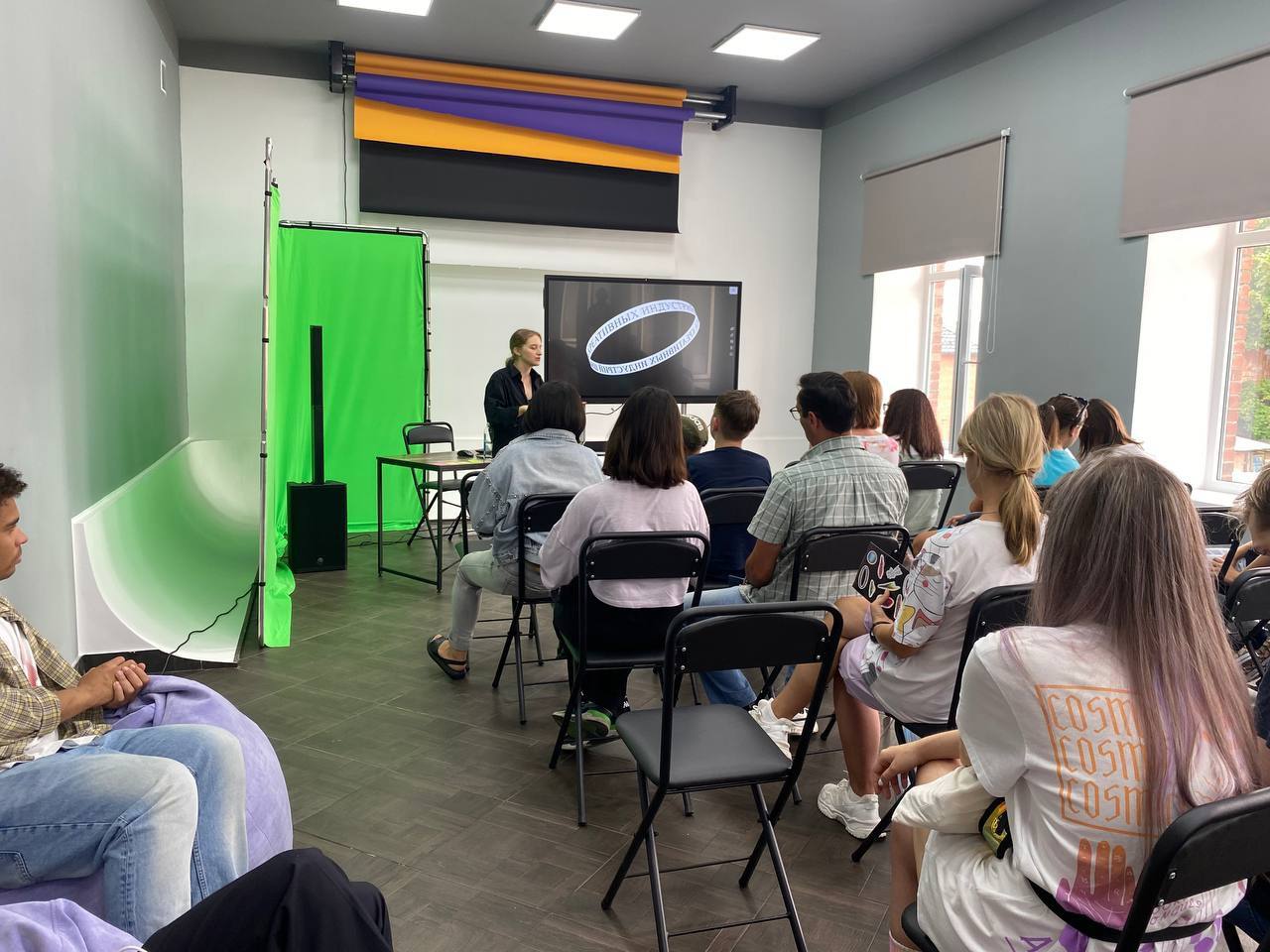
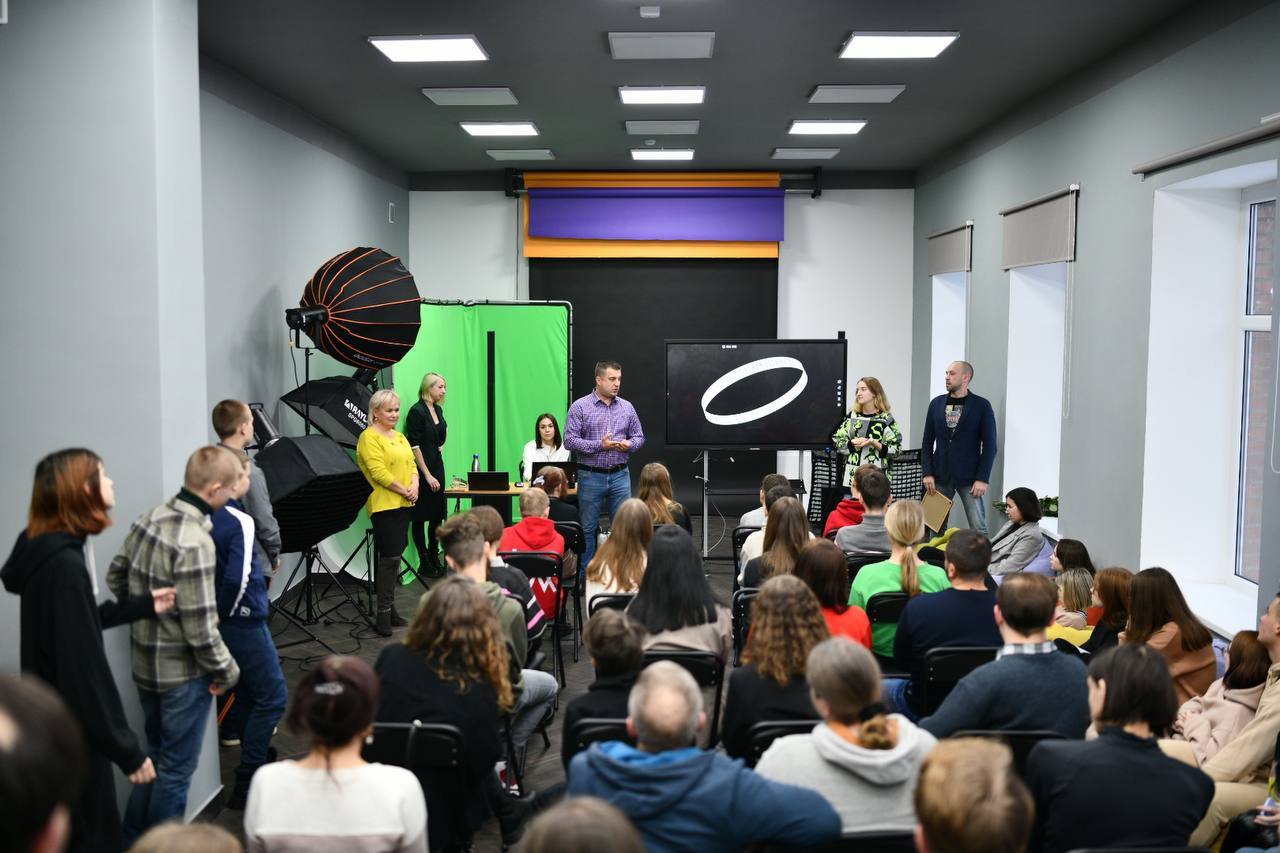
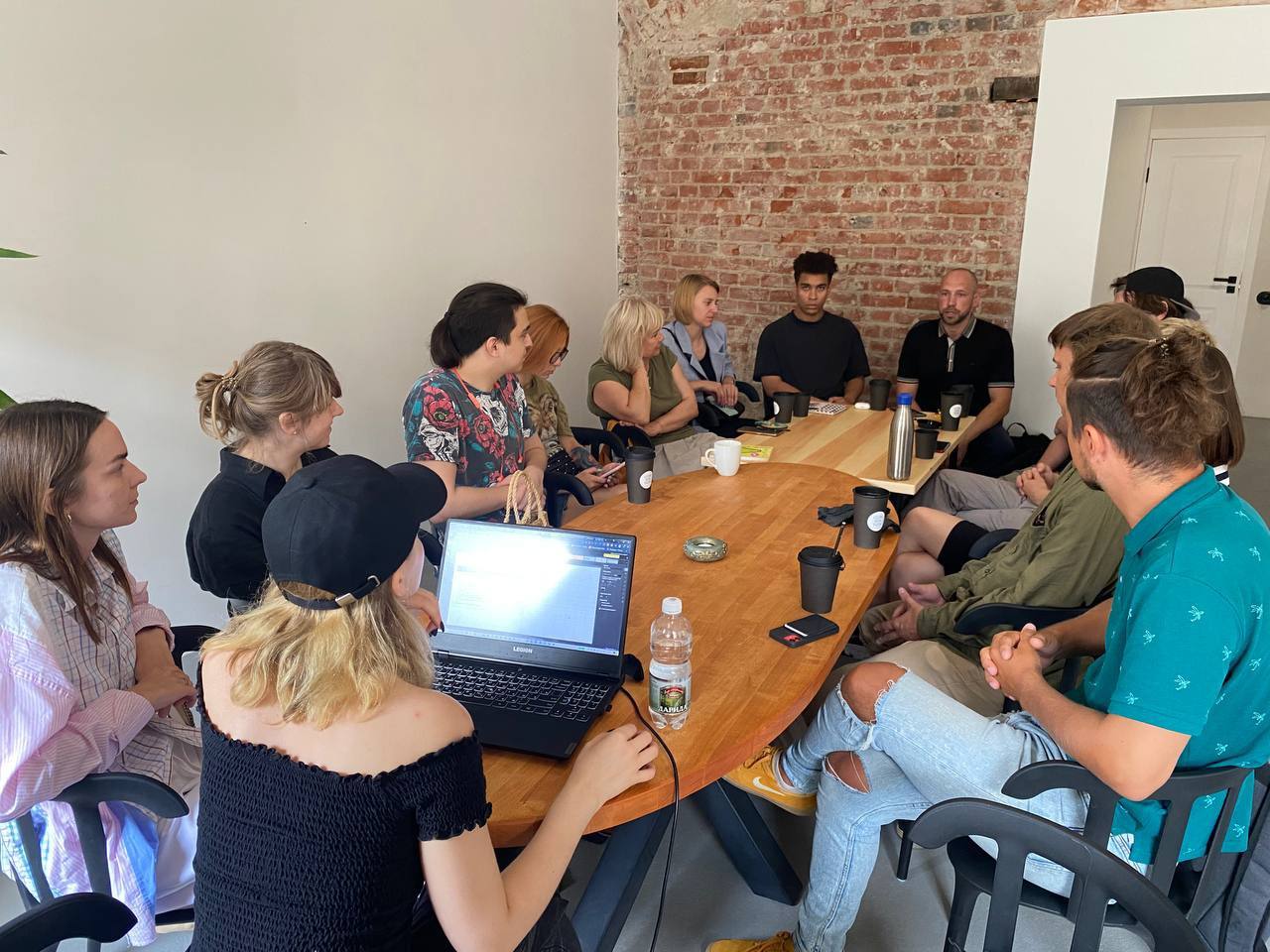
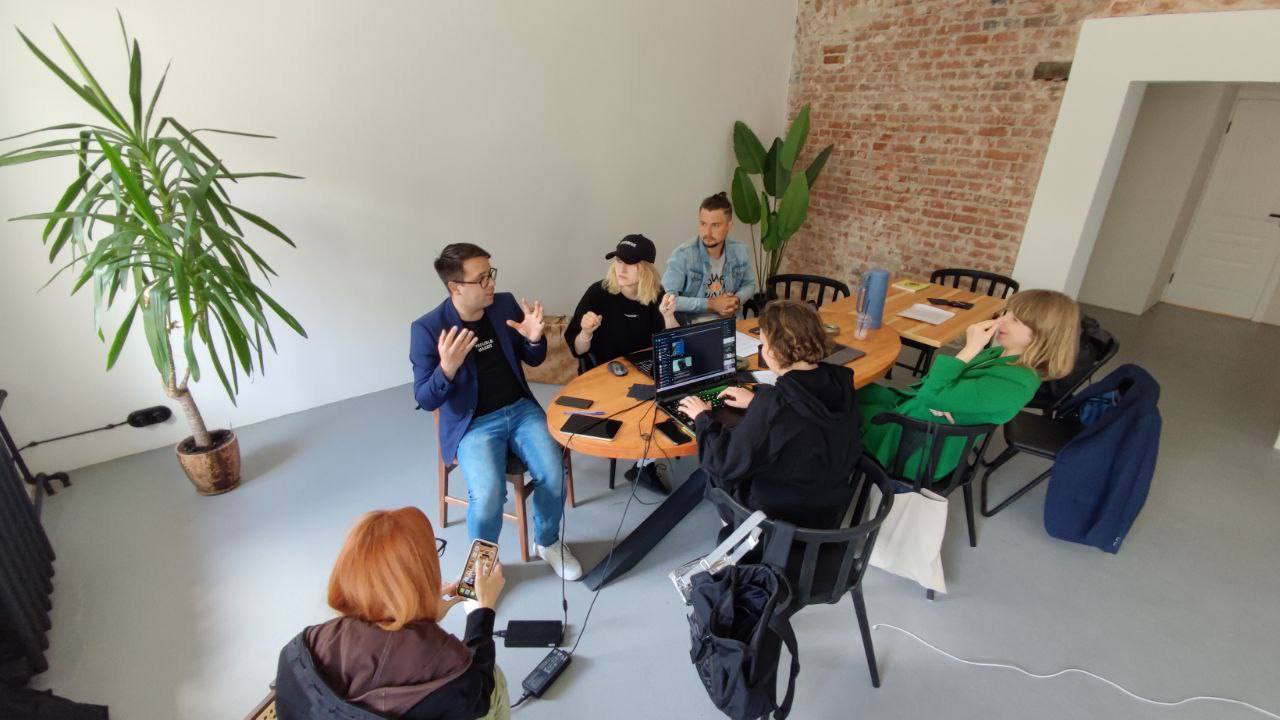
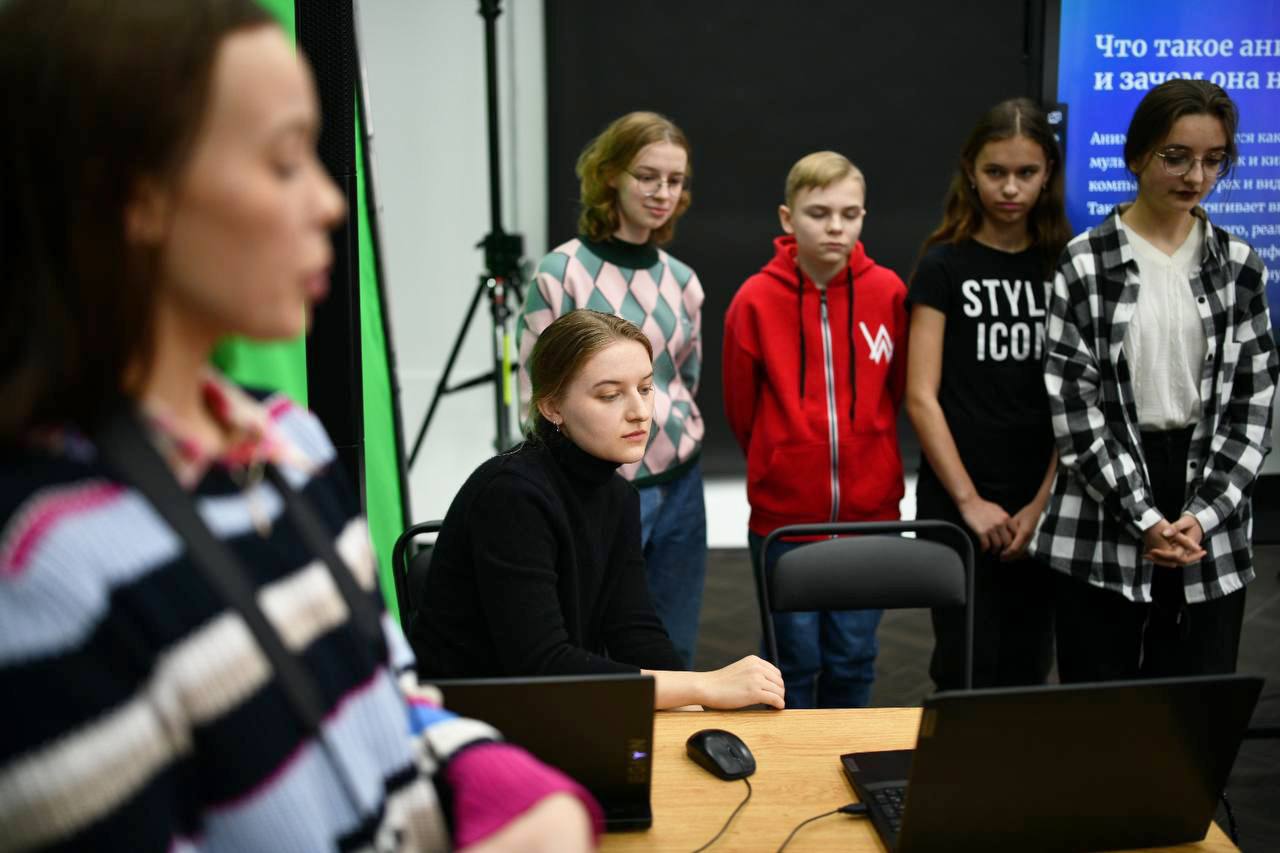
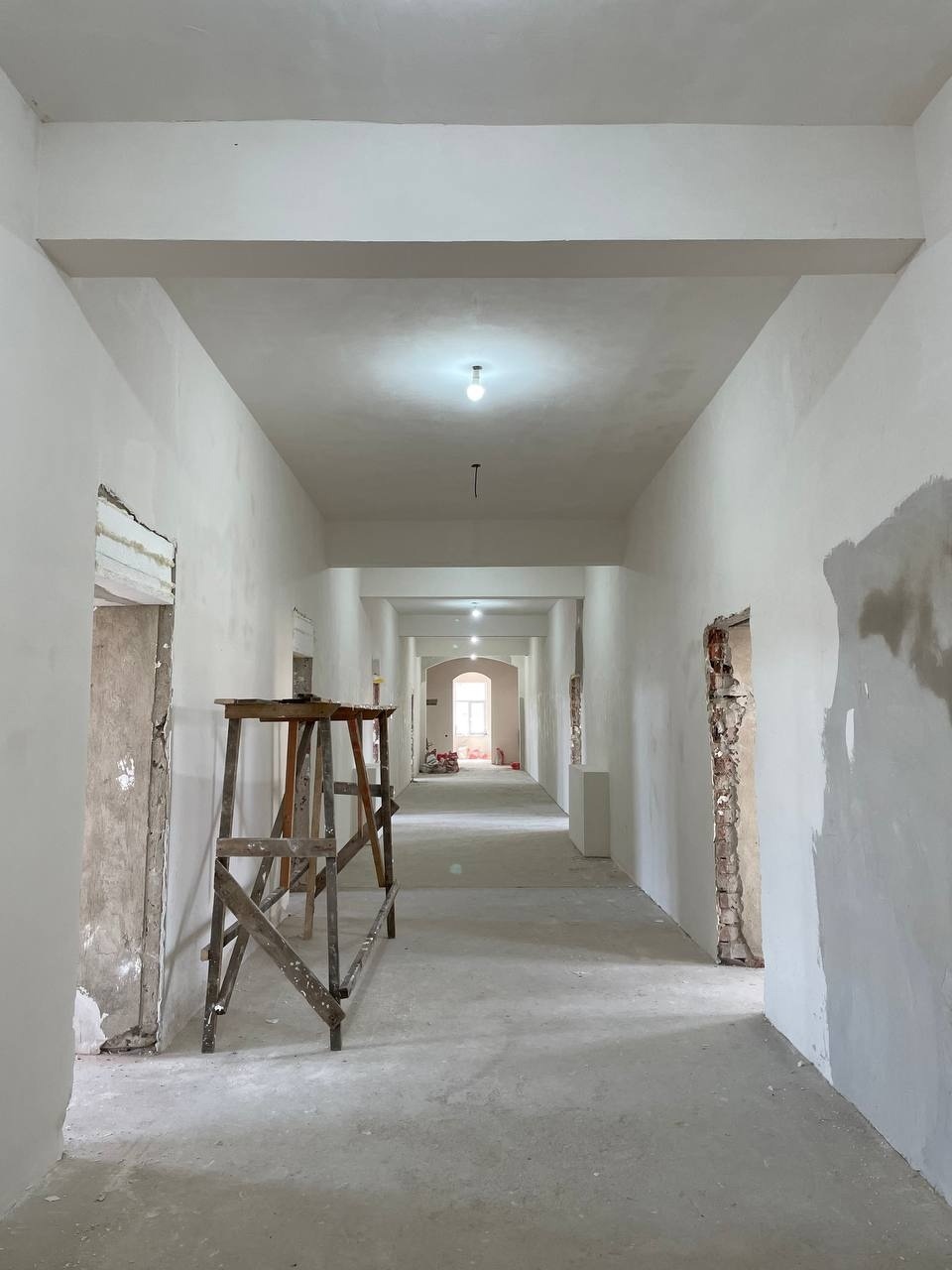
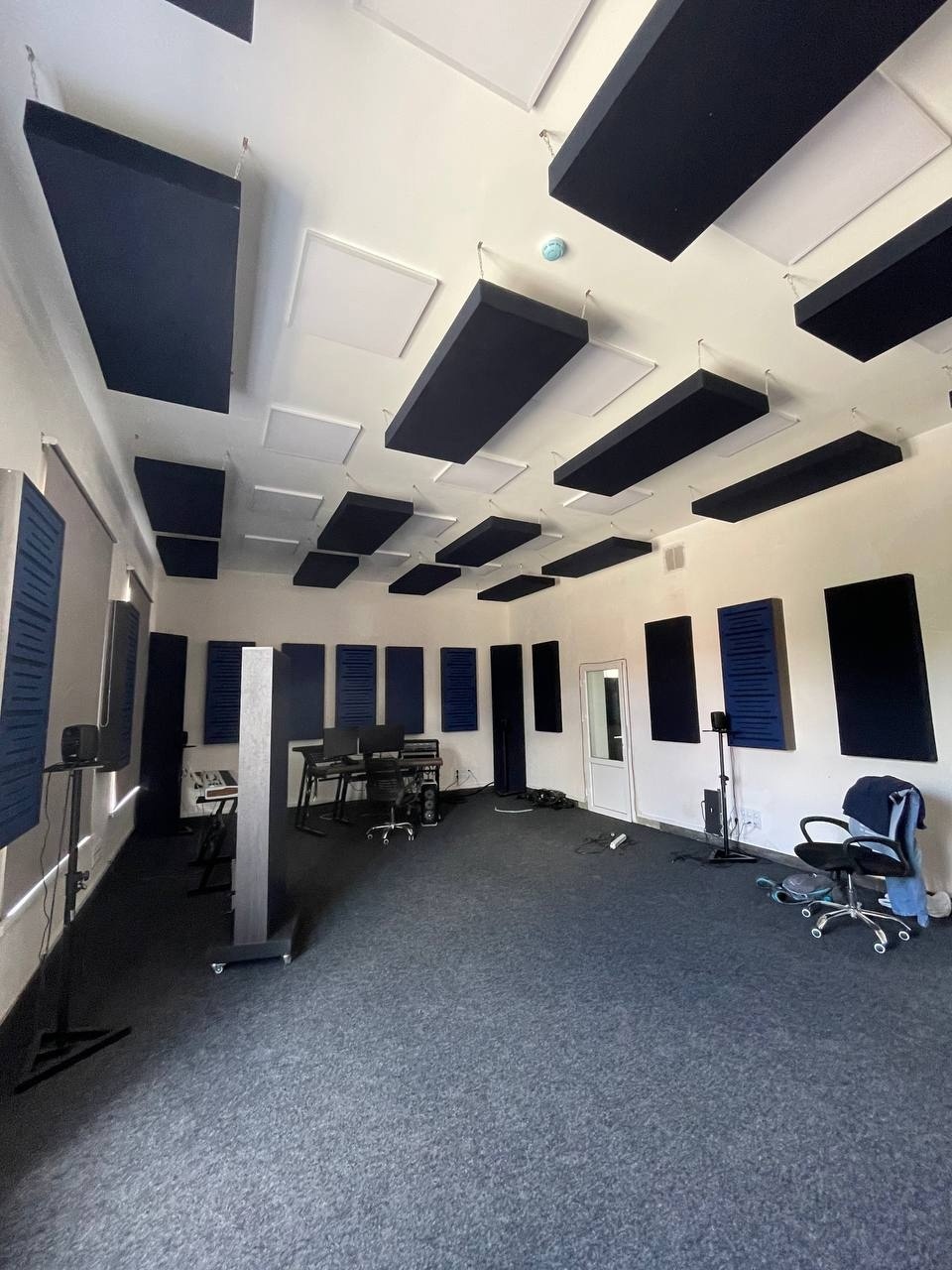
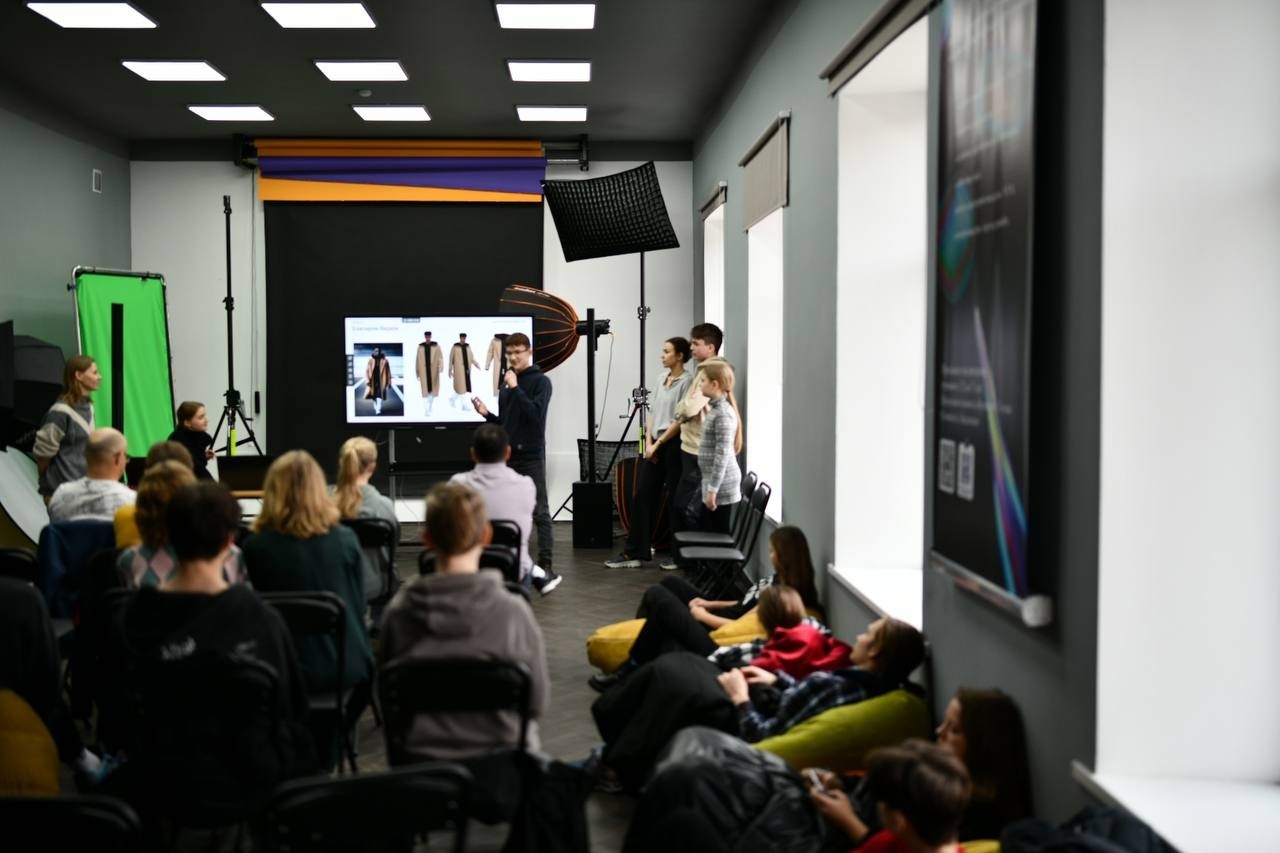
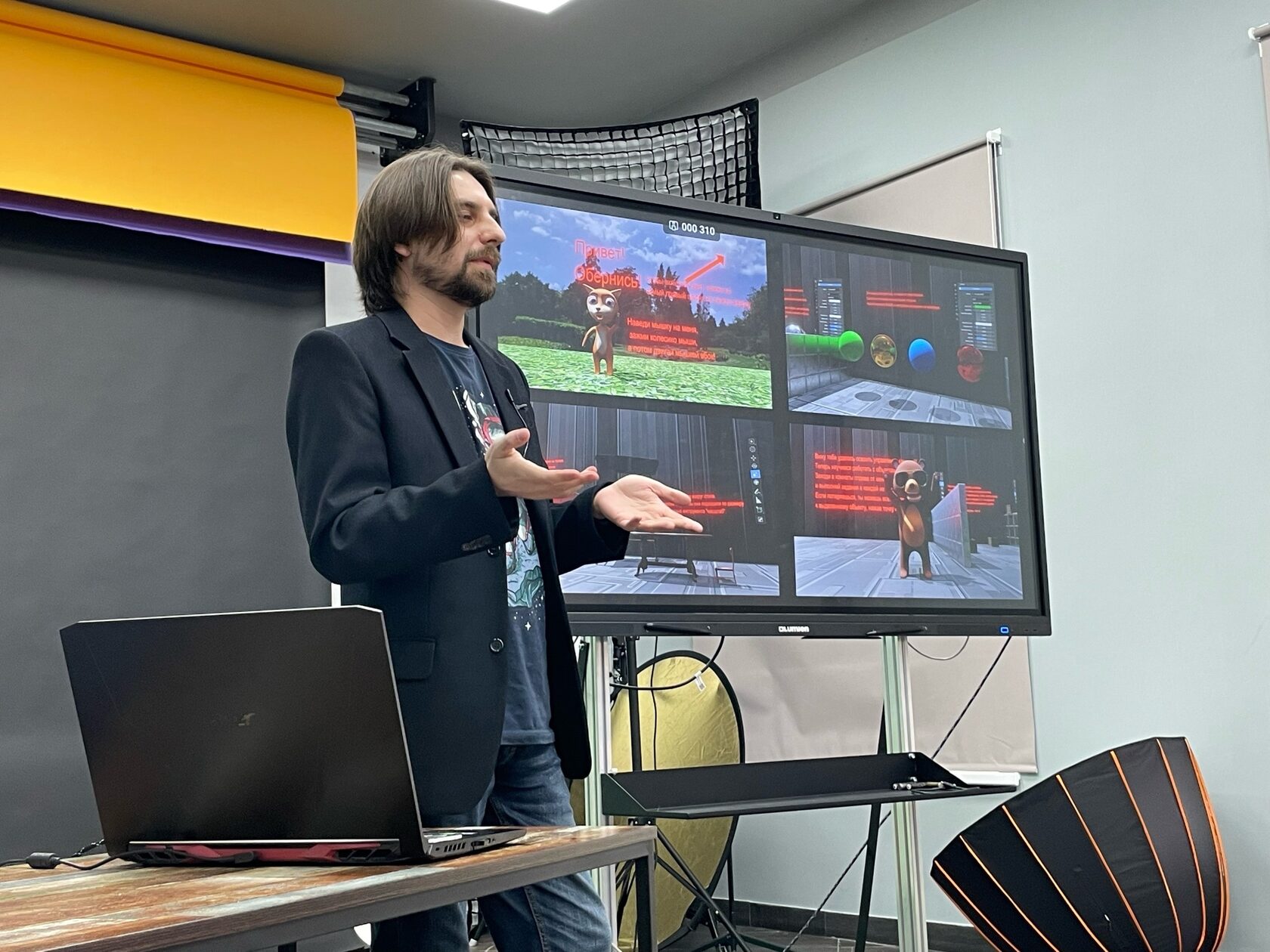
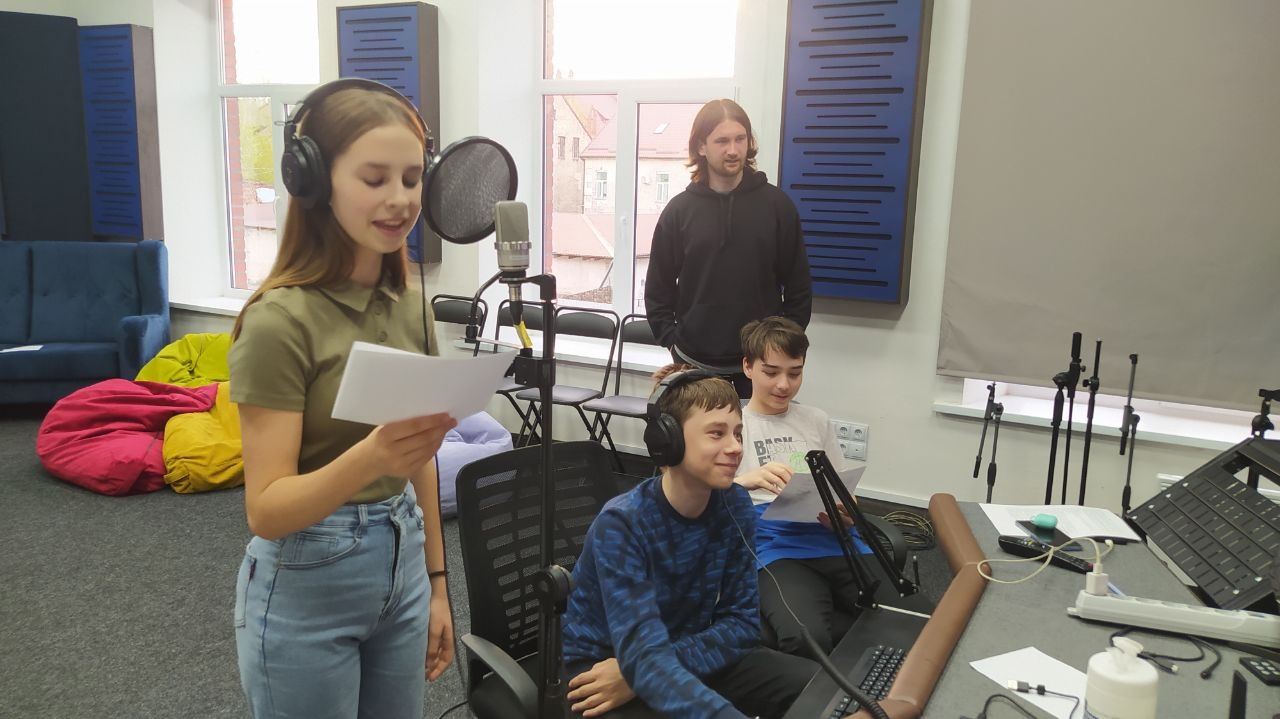
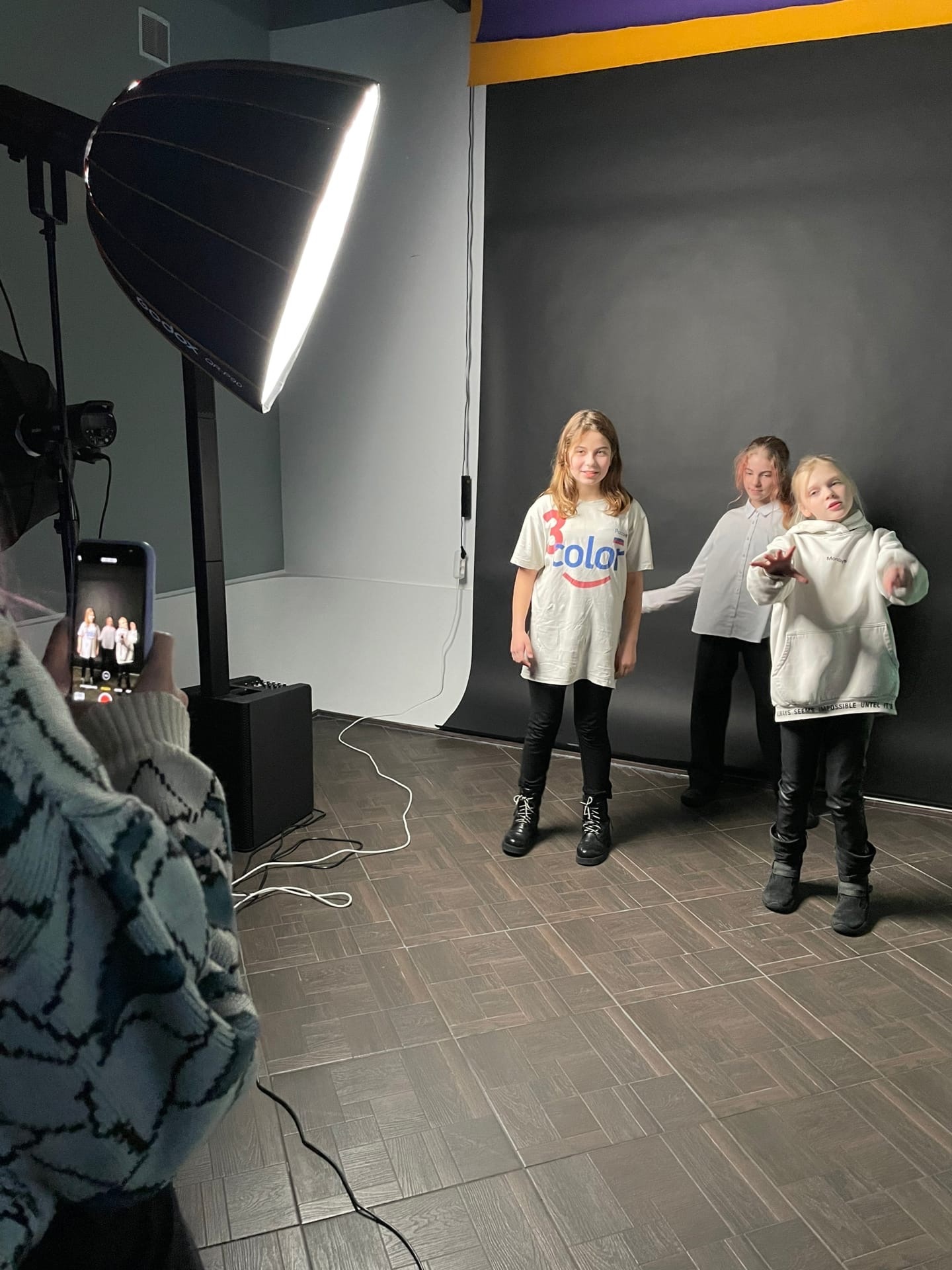
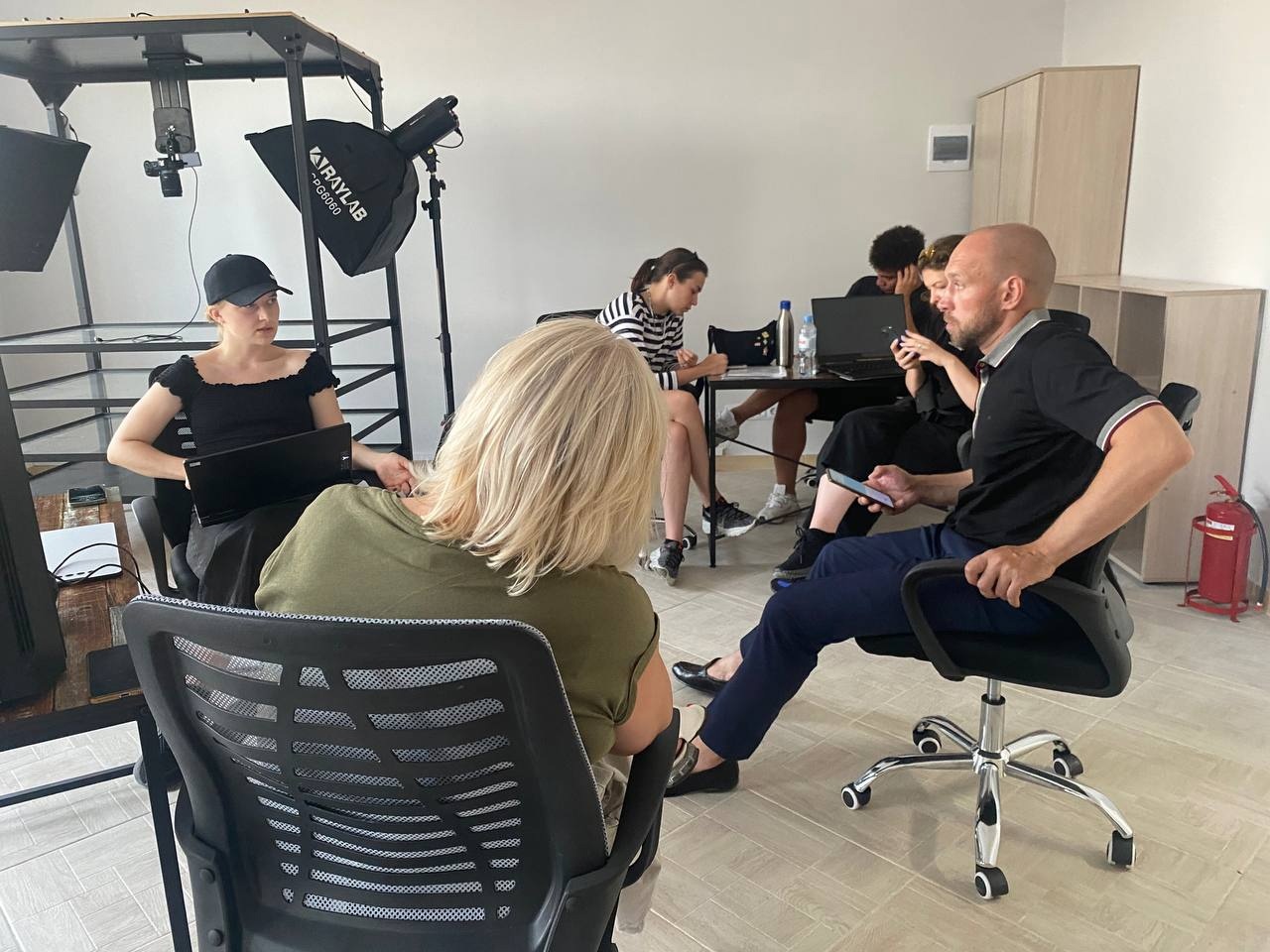
I designed a structure in which resident teachers were supported remotely by specialist curators. The curators also travelled to Gusev four times a year for student examinations and gave feedback in person.
We found local businesses in the Kaliningrad region willing to bring small real commissions into the school. Students developed clothing ideas, patterns, graphics, business cards and other visual materials with guidance. These were student projects, but they introduced learners to real client conversations and potential employers.
The first cohort’s projects show a working educational environment across six disciplines. Establishing the school made access concrete: equipment alone was not enough; learners also needed specialist teaching and feedback.
This experience motivates my interest in understandable creative tools. The first year also showed how much this process depended on sustained teaching, feedback and access to specialist knowledge.
Video in Russian. Topic: developing and launching the School of Creative Industries; presented at PlayPort CONF in 2022.
2022 · PlayPort CONF
A short video portrait from my time working on the School of Creative Industries.