SXEMA · Research stage 02 · 2021–2022
Neural Monsters
Can we make the journey from a generated character to knitwear faster — and create a collection where physical and digital clothing coexist?
Question
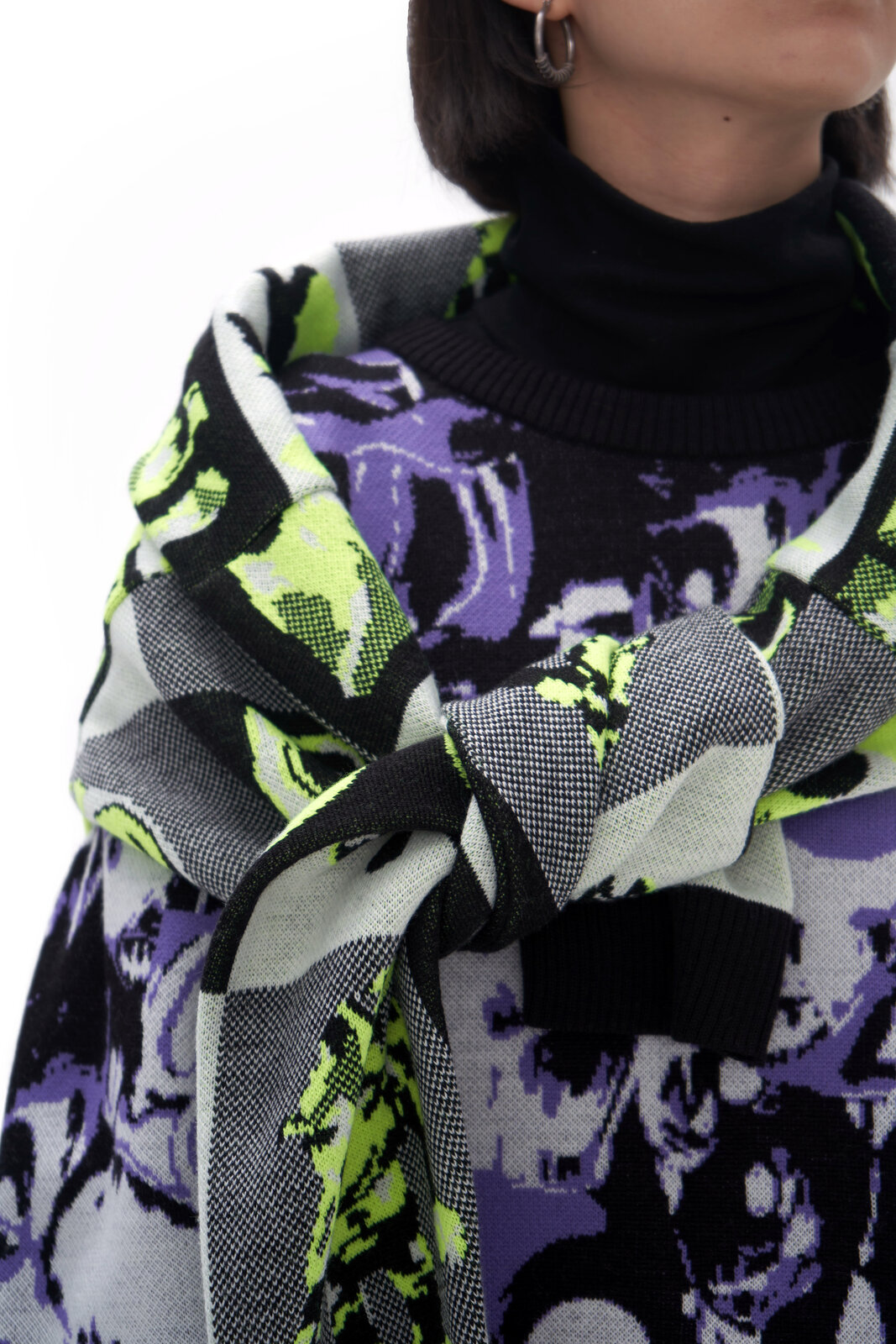
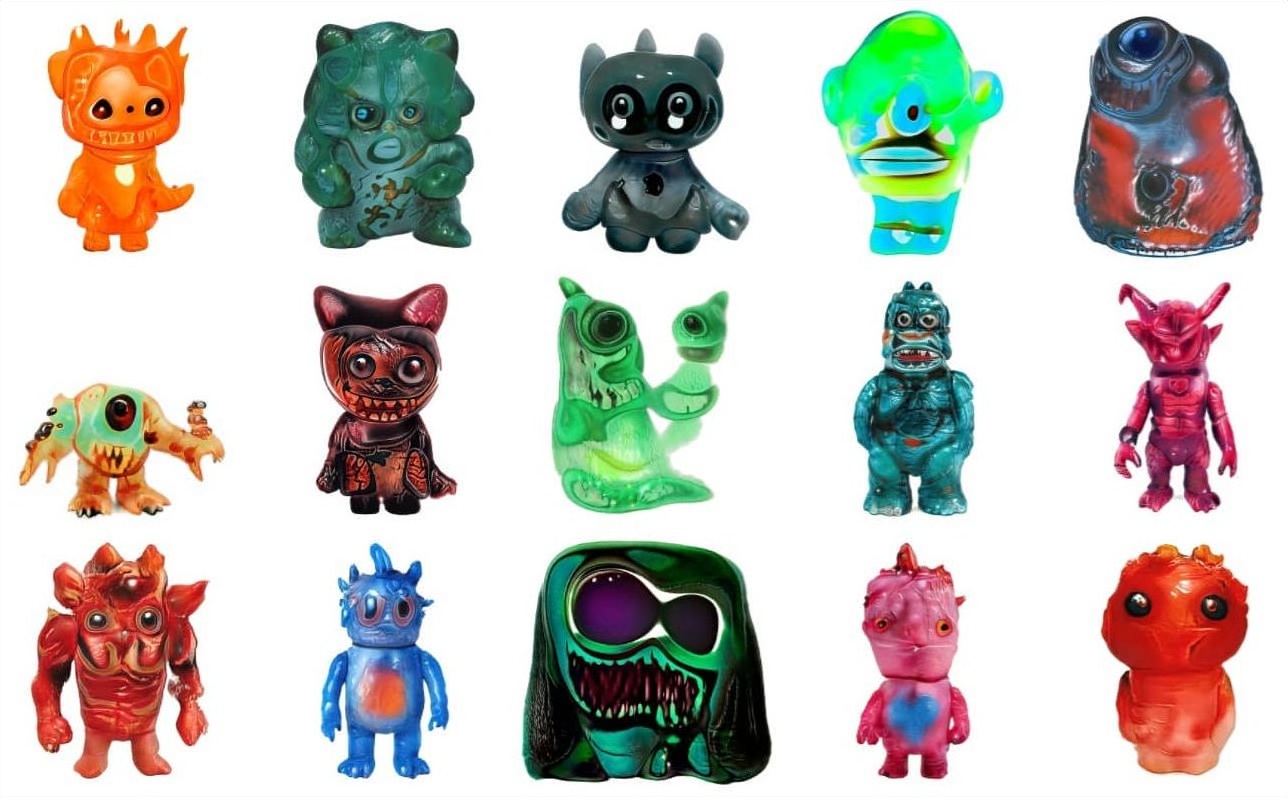
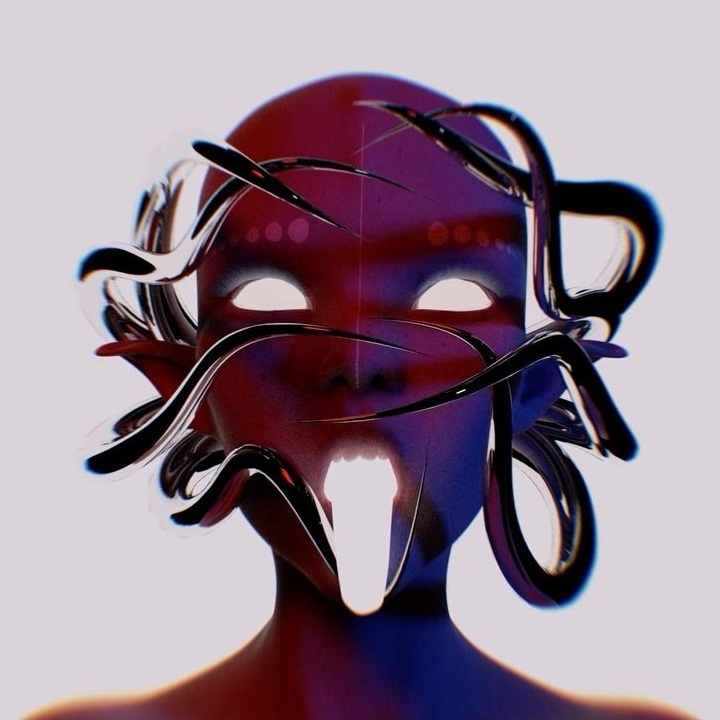
Neural Monsters was the second stage of the research begun in Panelki. Could we automate more of the journey from a generated motif to knitting, while exploring a collection that combined physical garments and digital-only looks? Our model was trained on images of Japanese monsters from manga.
My role and collaborators
I identified and articulated the production problem, defined the task for our machine-learning specialist and directed development around the needs of the garment-making workflow. He implemented the solution and wrote the code. I led the development from a design and production perspective, working with the ML specialist and knitting programmer.
I also developed the collection concept, designed the knitwear and digital garments, created 3D looks and directed the visual identity and runway film. My research partner trained the model and generated characters. Other 3D designers contributed to the runway environment, animation and rendering, while specialists supported physical production. Full team credits are linked below.
Experiment: automate one transition
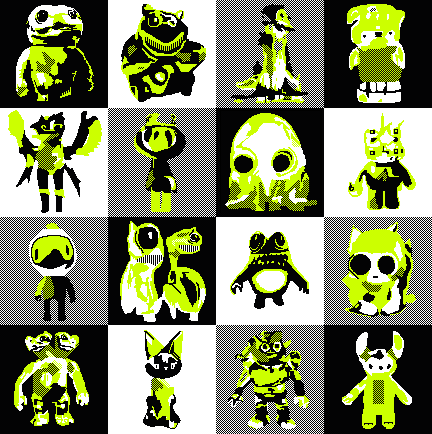
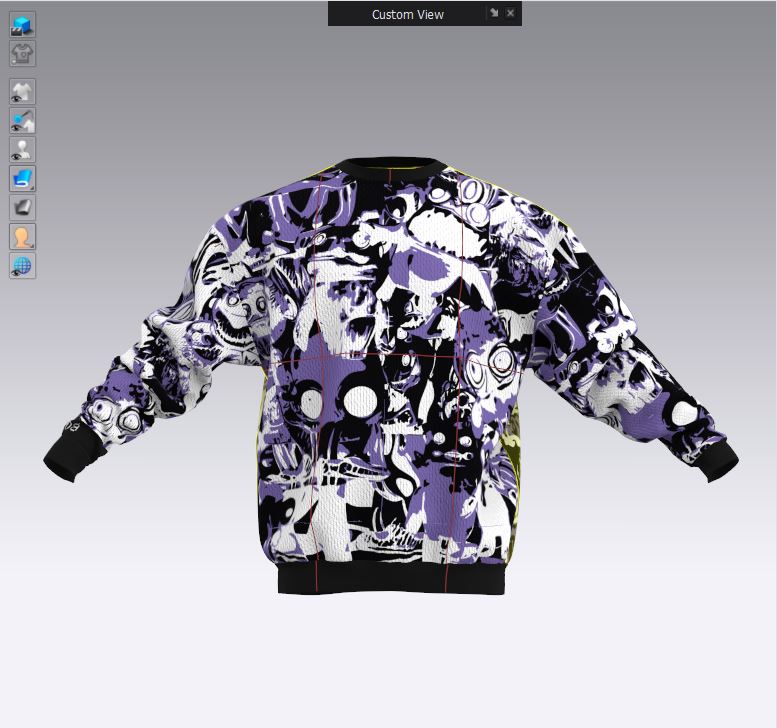
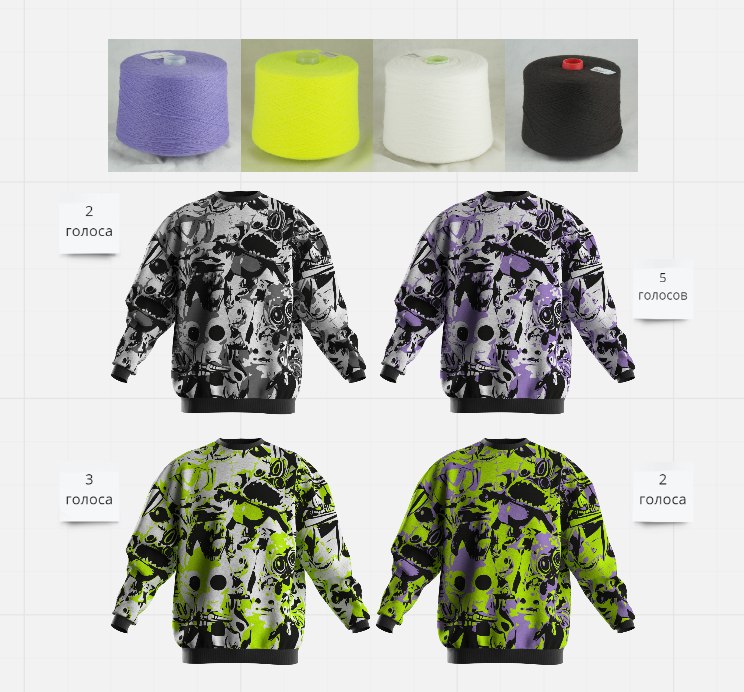
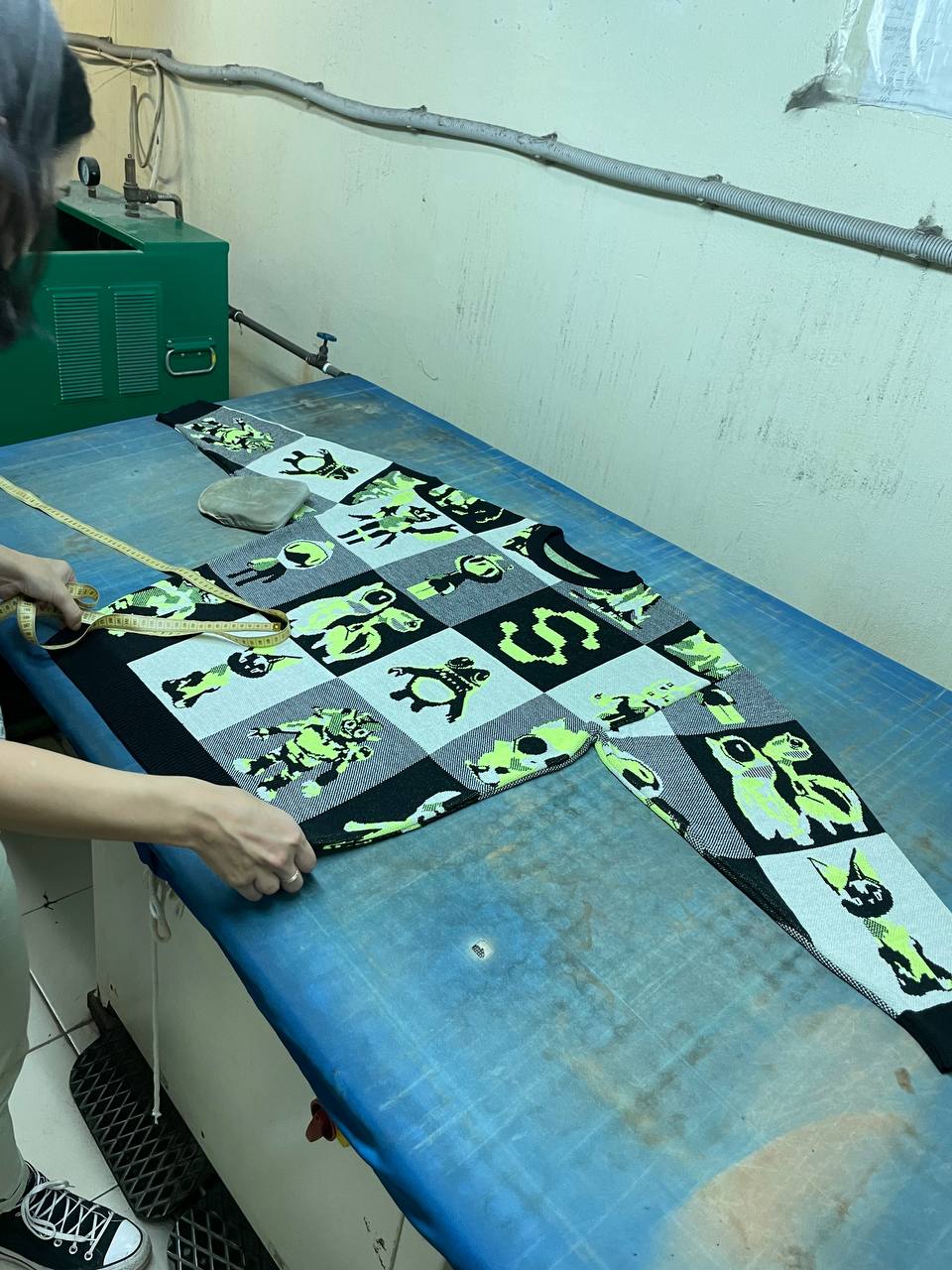
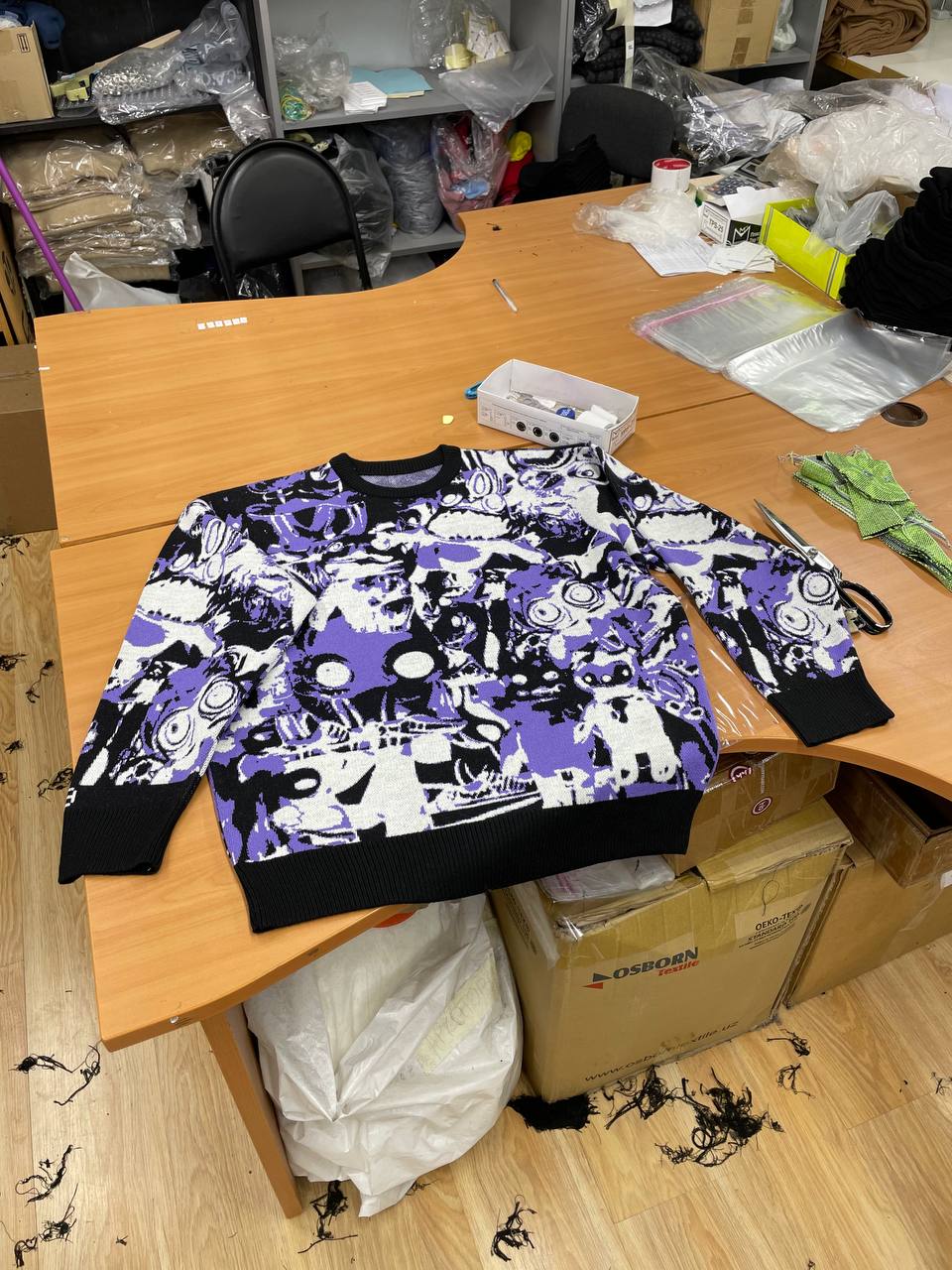
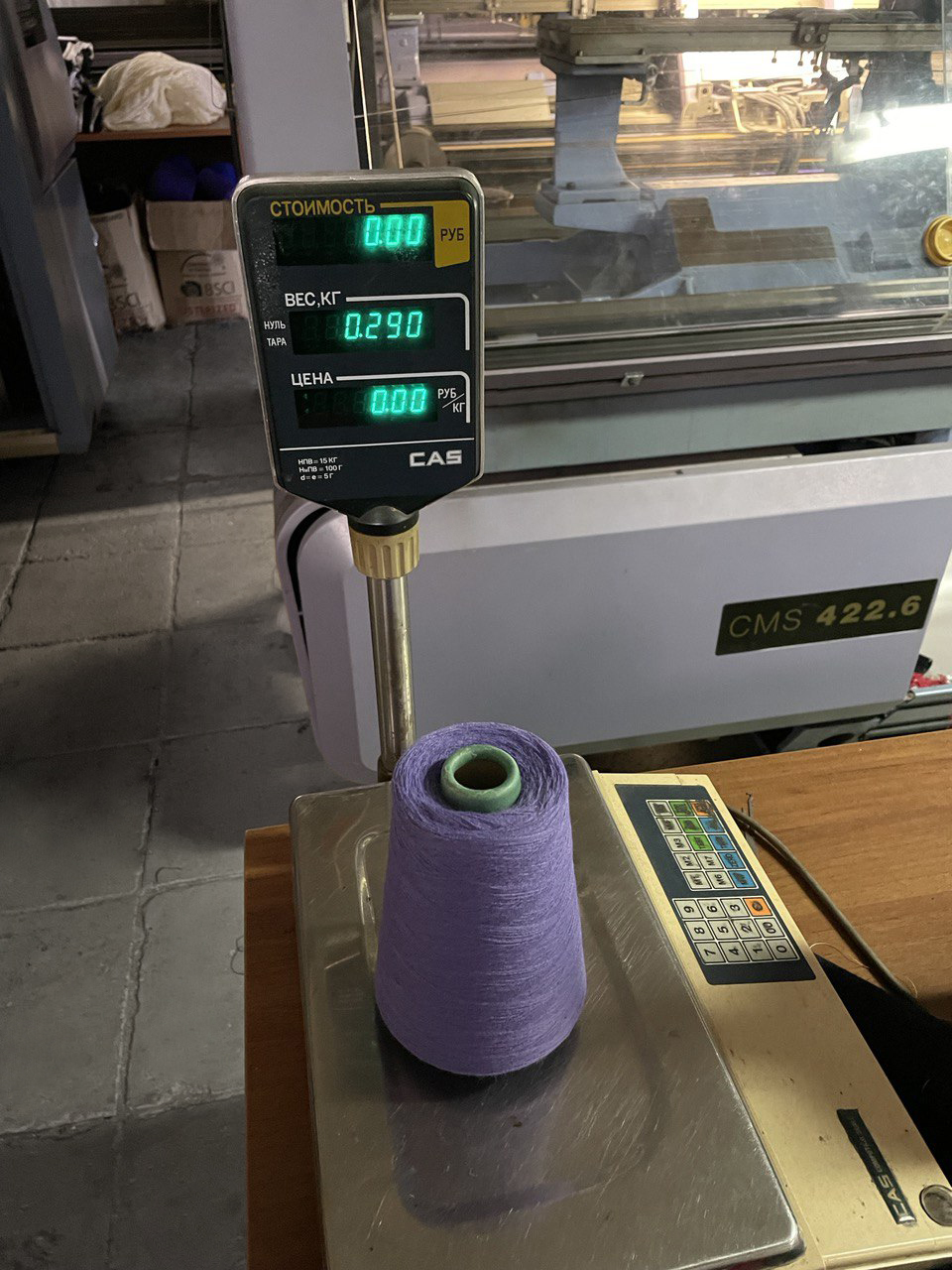
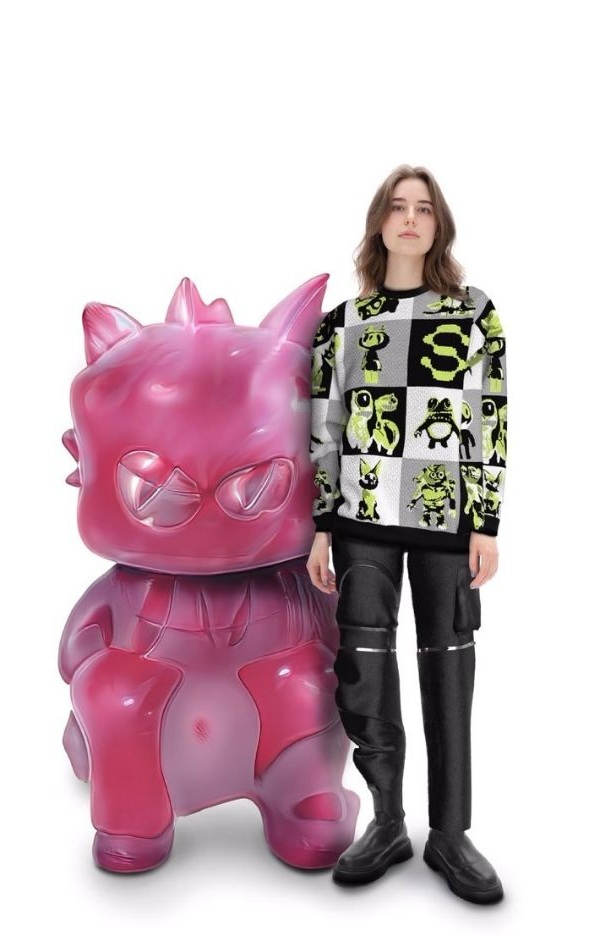
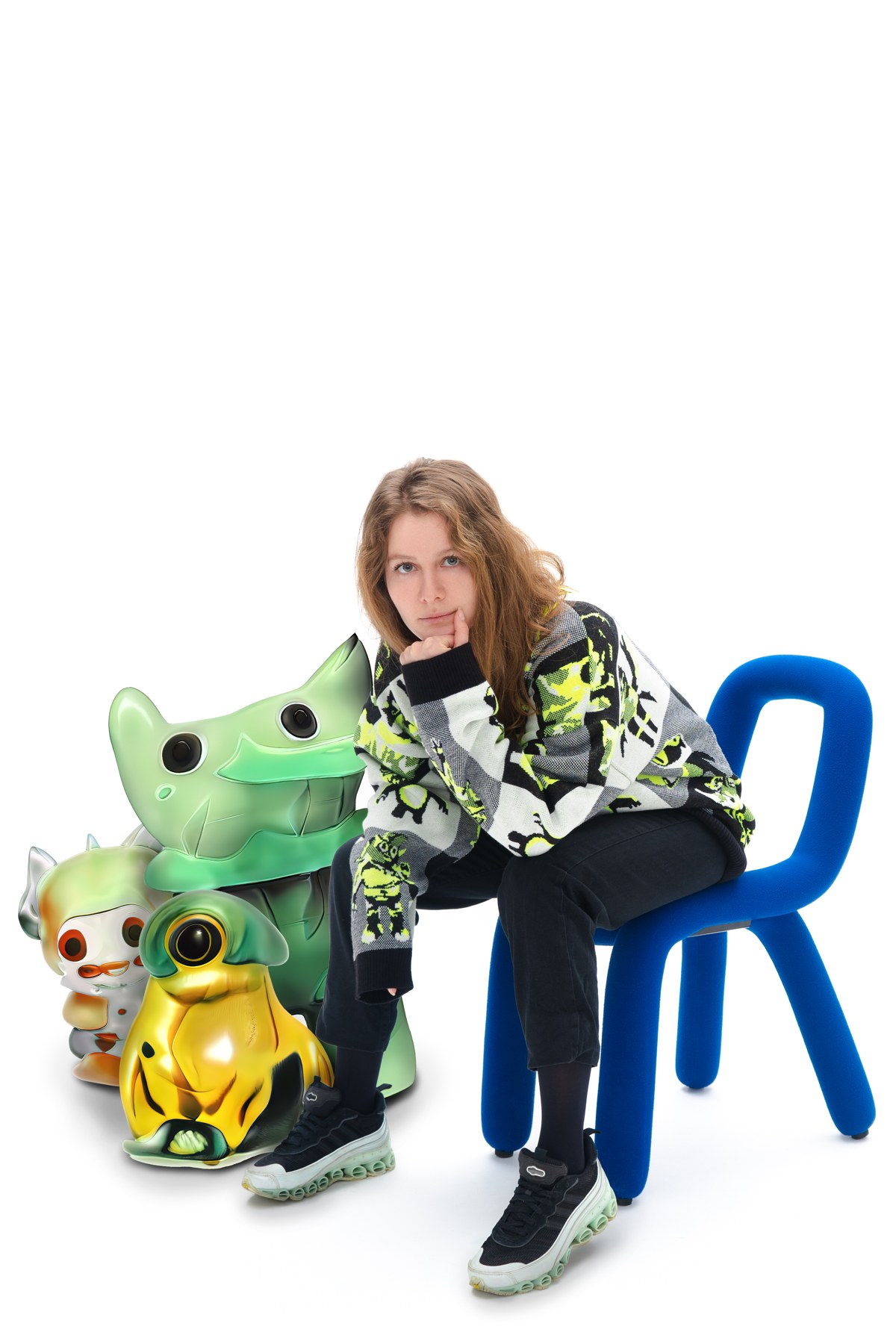
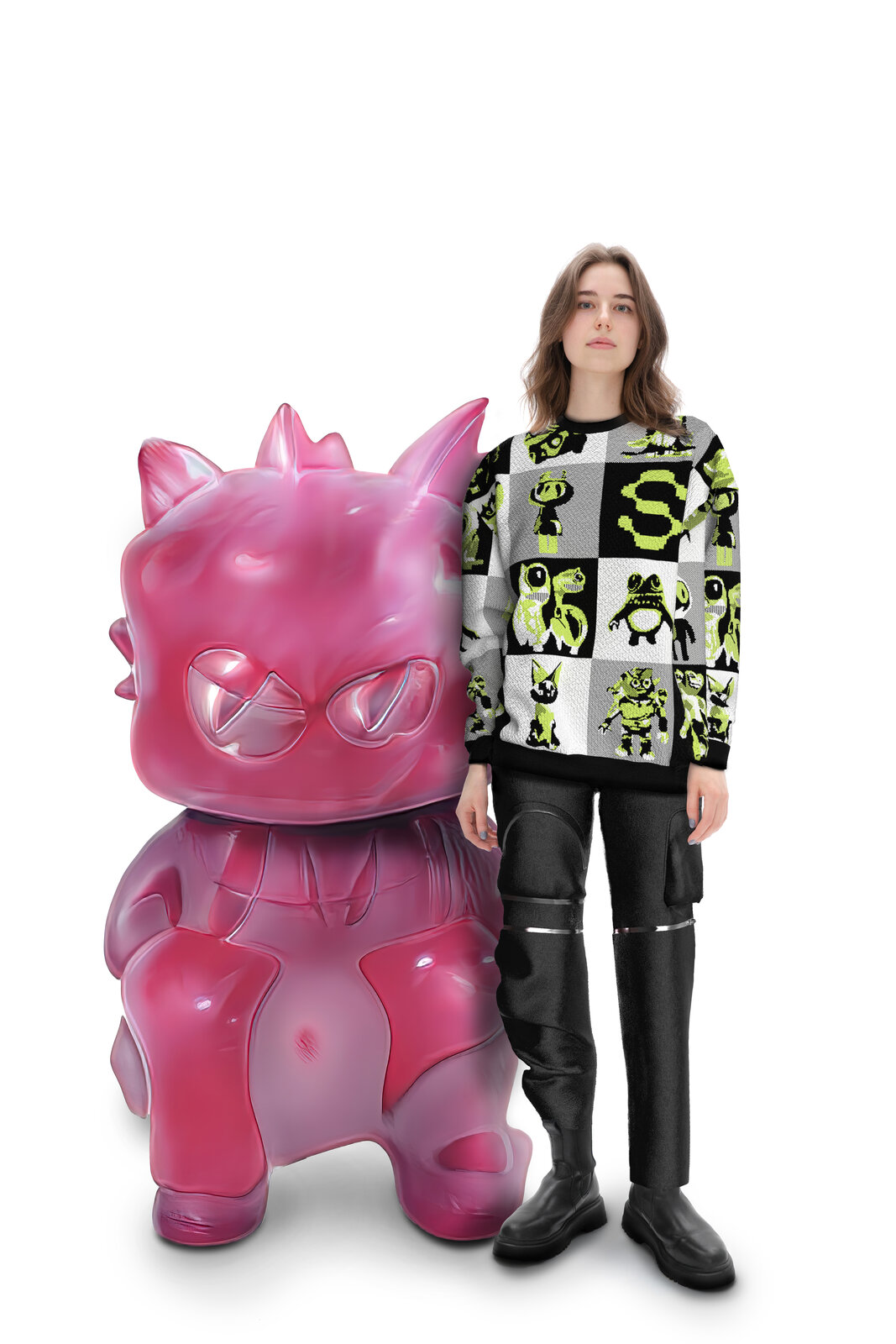
The workflow generated original monster images, pixelated them and limited the palette to the required number of yarn colours. It also partially automated stitch preparation in M1. We tested the sweaters in 3D to review motif scale, placement, colours and the overall look before deciding what to manufacture.
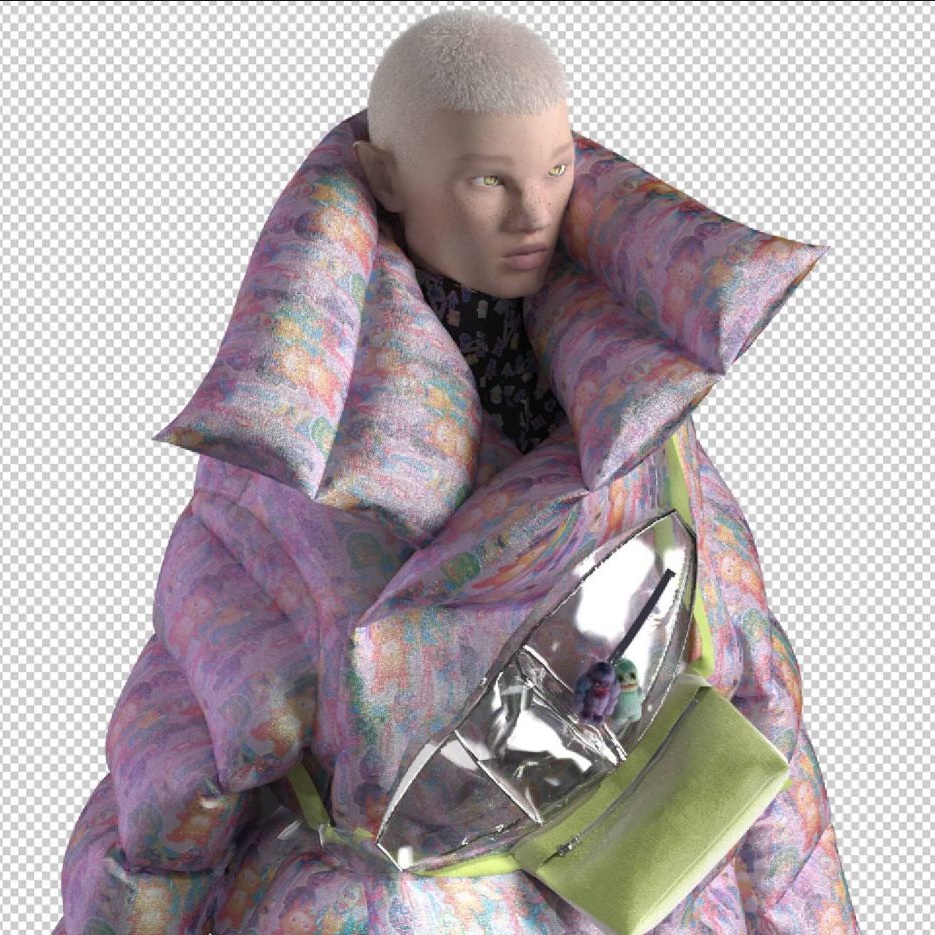
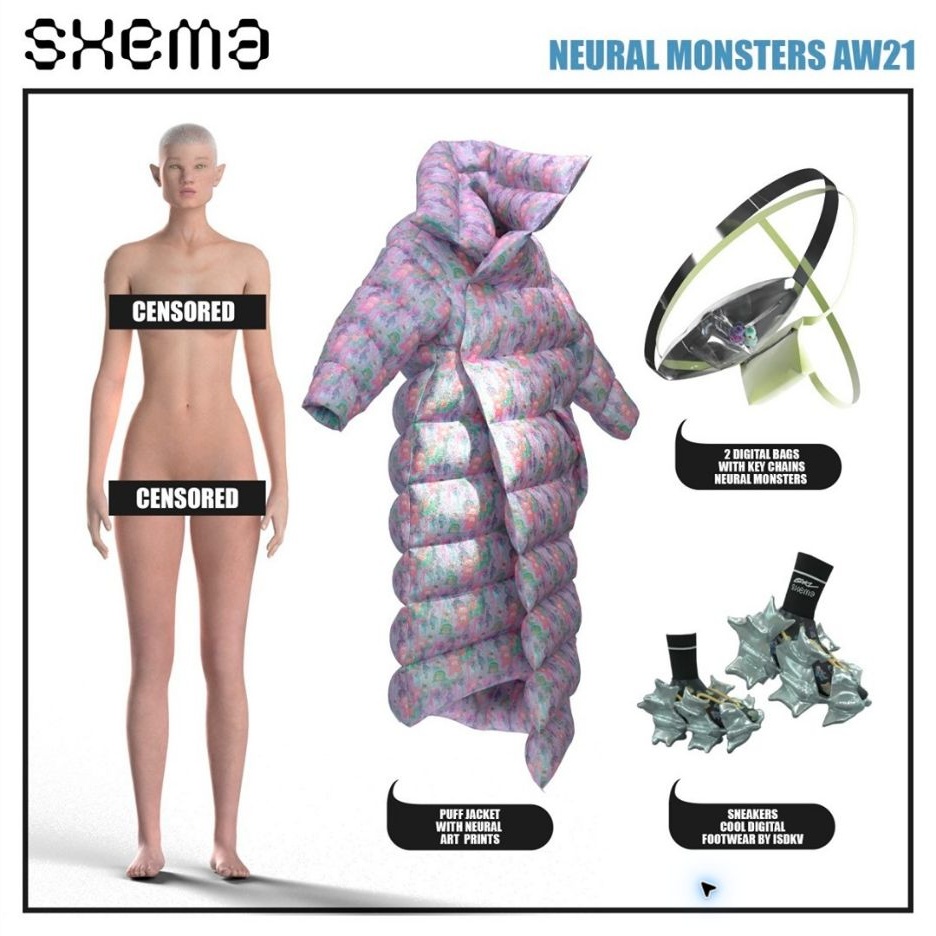
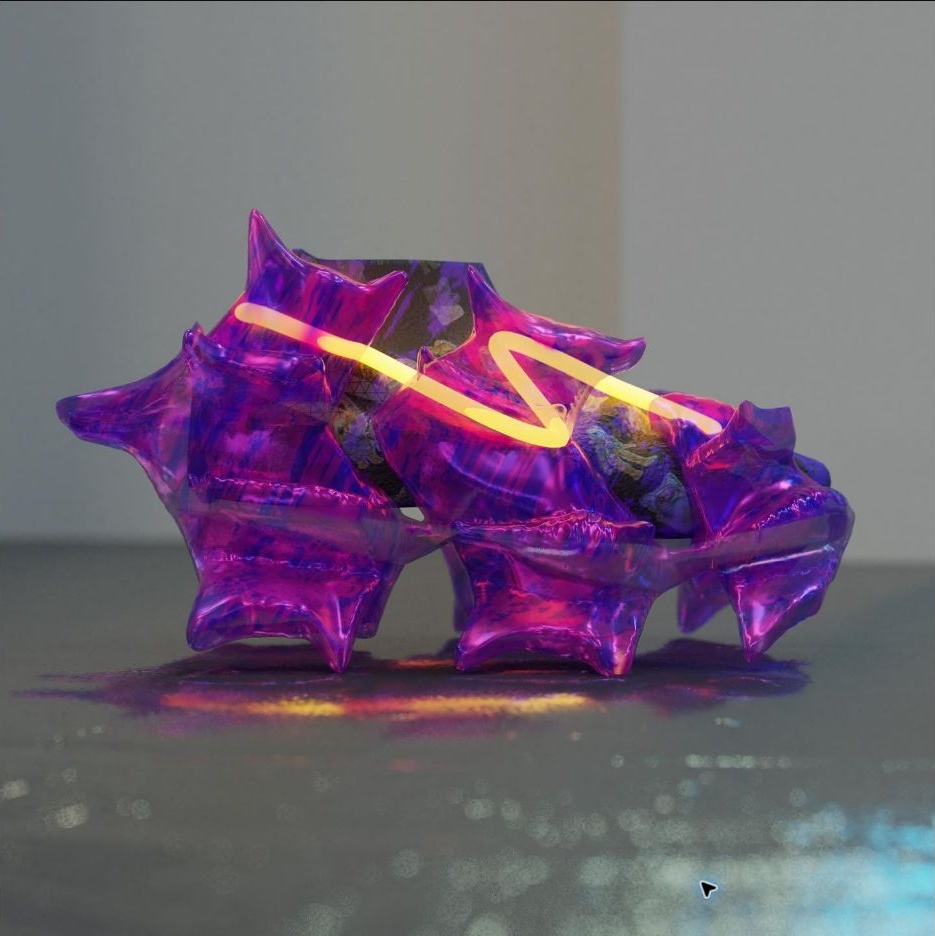
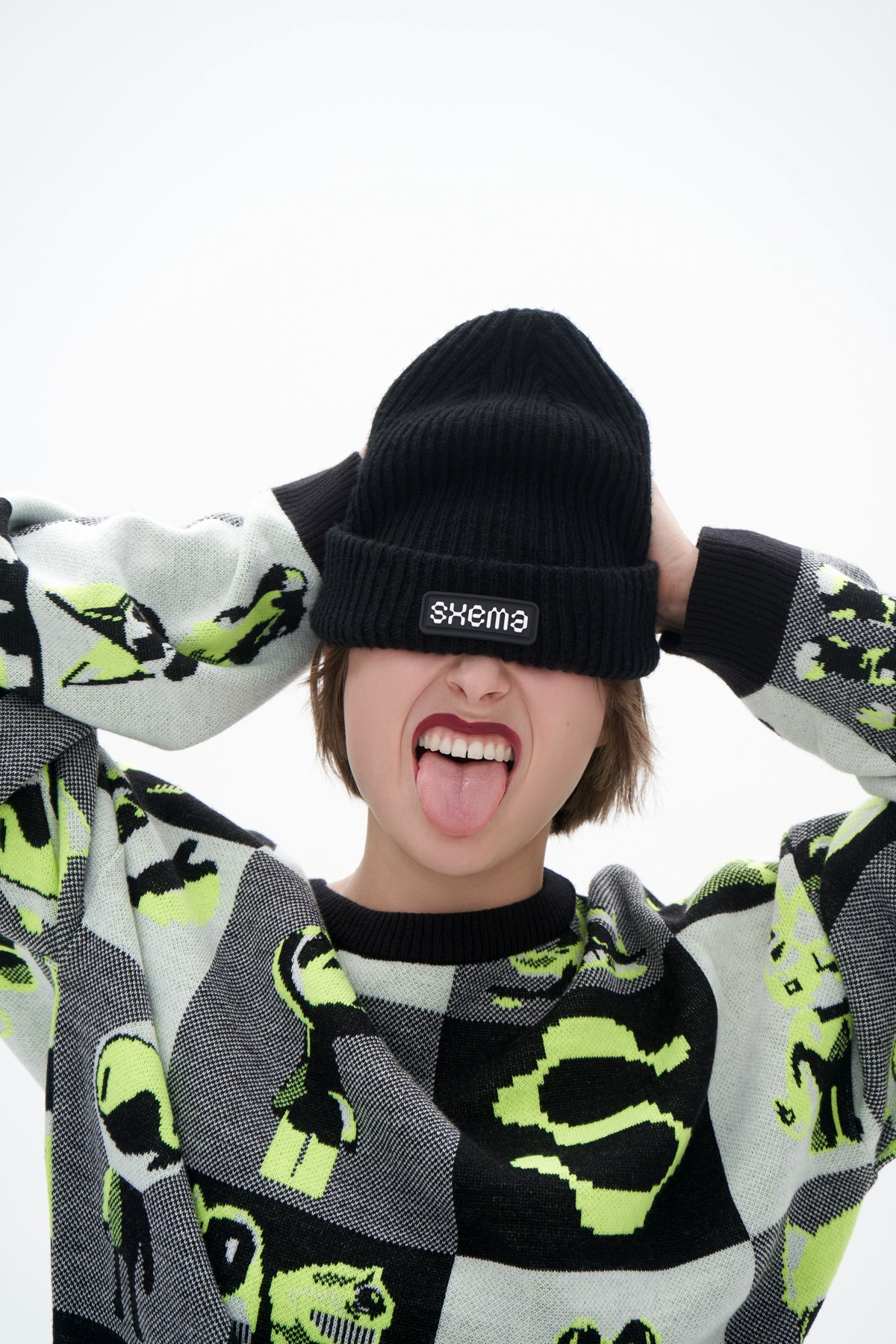
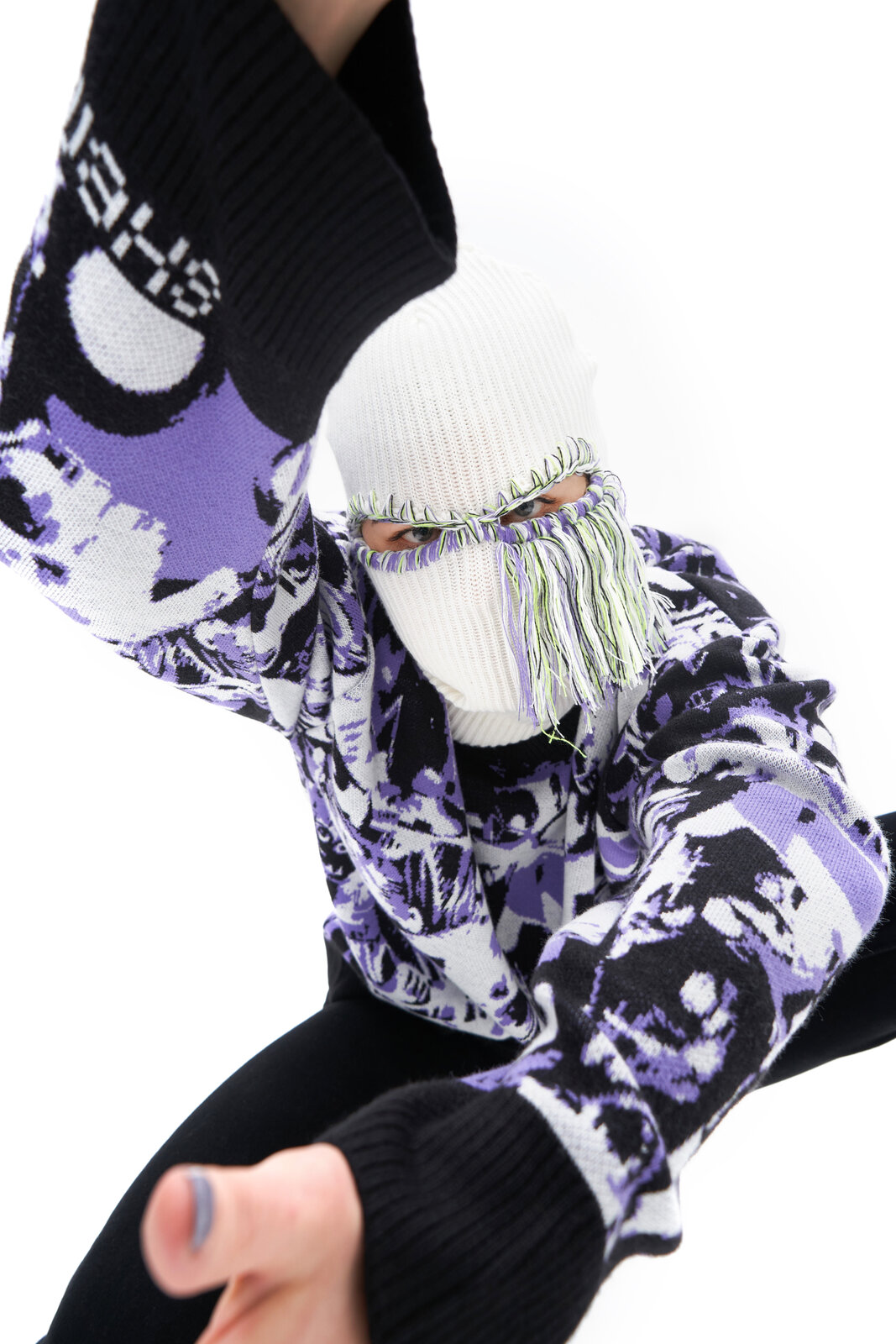
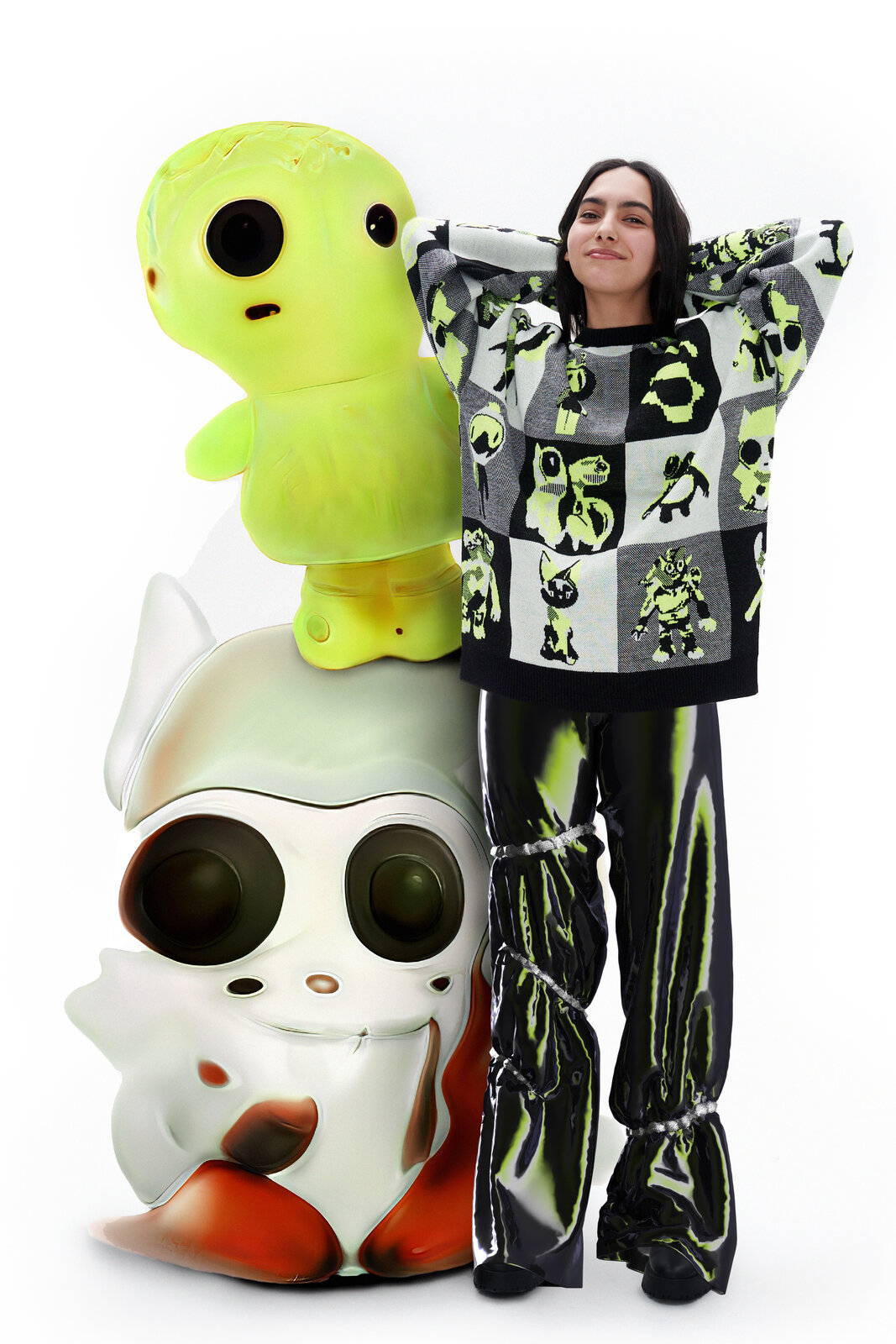
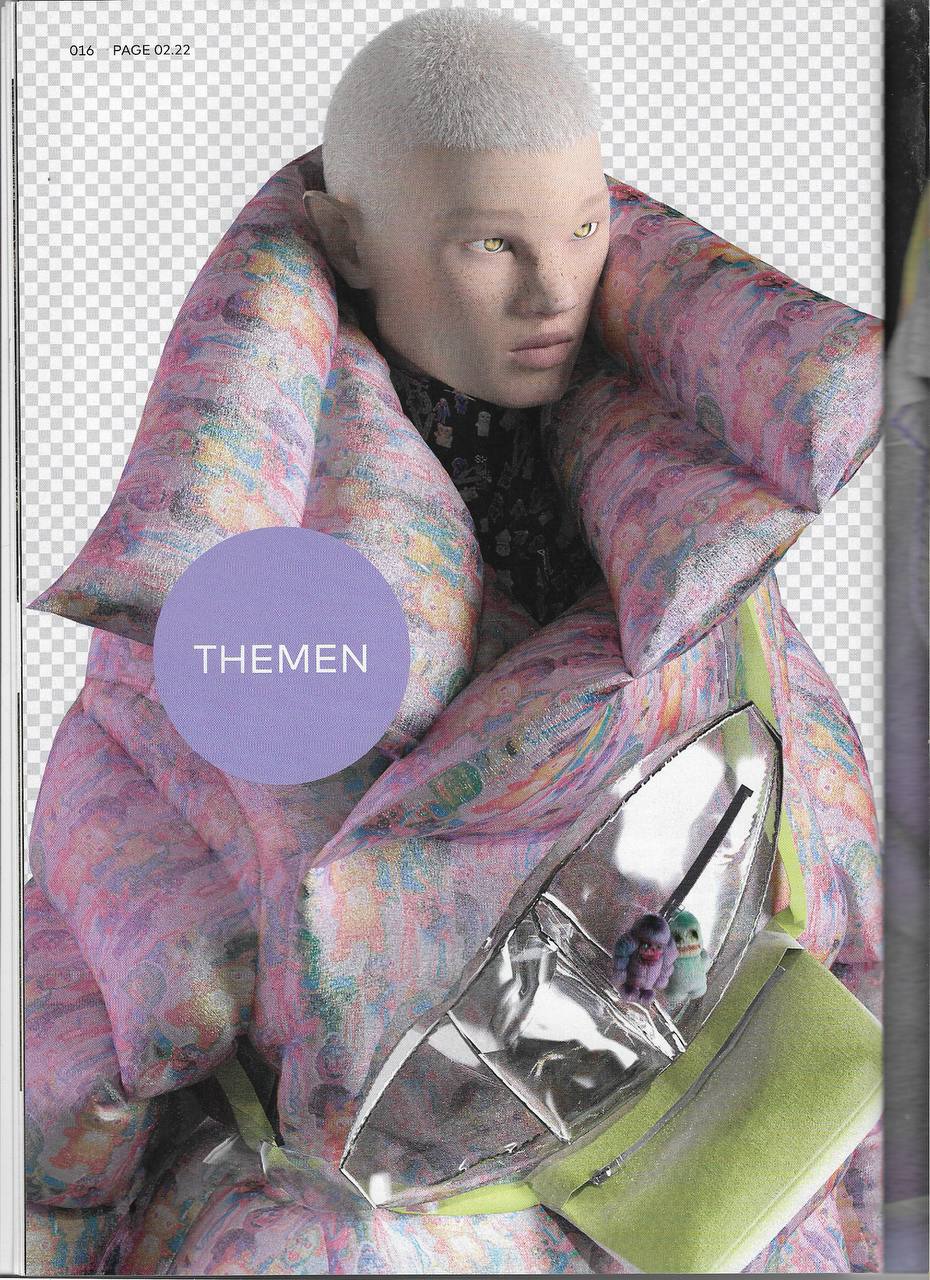
We photographed our team wearing physical sweaters and added digital trousers and accessories to those photographs. Some people wore entirely digital sweaters in the final images, and some styles were never manufactured. We aimed to make the physical and digital garments visually indistinguishable within the campaign.
How we made it
- 01 · ML collaborator
Train & generate
A manga-monster dataset produced original character imagery.
- 02 · Eva + ML collaborator
Direct & automate
I set the production requirements; my collaborator automated pixel and palette preparation, with partial stitch-program assistance.
- 03 · Eva + collaborators
Design & preview
I developed the collection and 3D looks; collaborators supported the wider digital presentation.
- 04 · Knitting specialist
Check & produce
The desinator checked and corrected stitch instructions before machine production.
Result and limitation
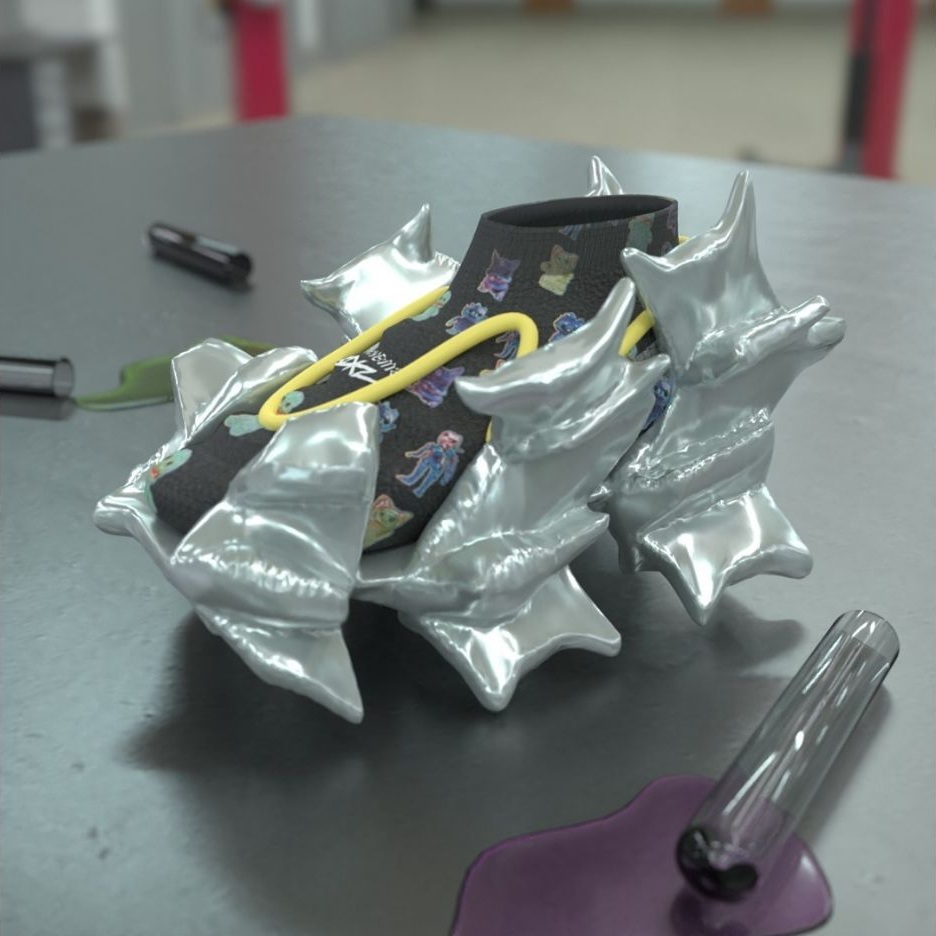
The collection produced physical knitwear, digital-only looks, a hybrid photoshoot and a Brazilian Digital Fashion Week film. Motivated by the sustainability discussion at the time, we explored whether clothing made for image-making could remain digital rather than requiring another physical product.
We did not achieve full automation. A knitting programmer still needed to inspect the images and programs, check and correct stitch instructions, and prepare the work for the machine. Automated image preparation reduced one part of the manual work, but the technical handover remained unfinished. This unfinished transition is a starting point for my proposed research.
Digital looks, AR and campaign studies
Original post on Instagram ↗
Original post on Instagram ↗
Original post on Instagram ↗
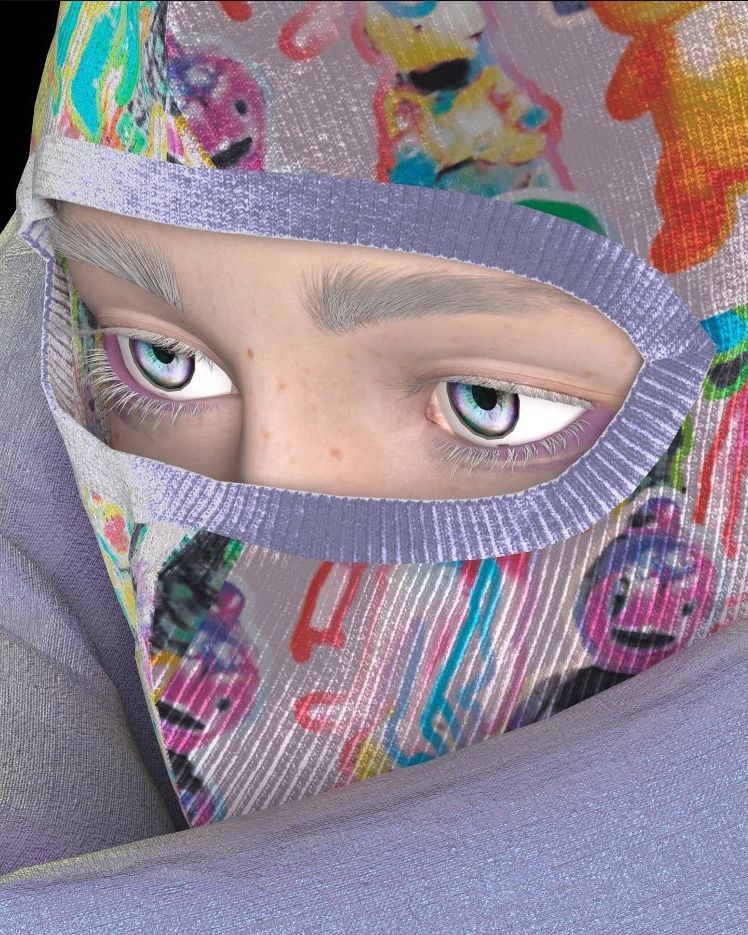
Original post on Instagram ↗
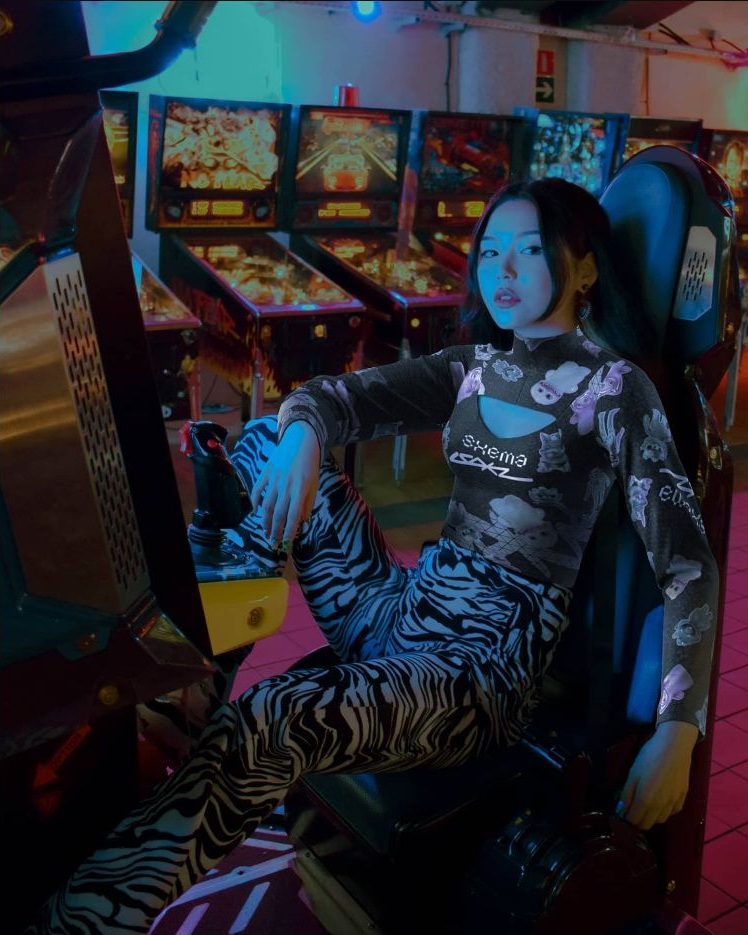
Original post on Instagram ↗
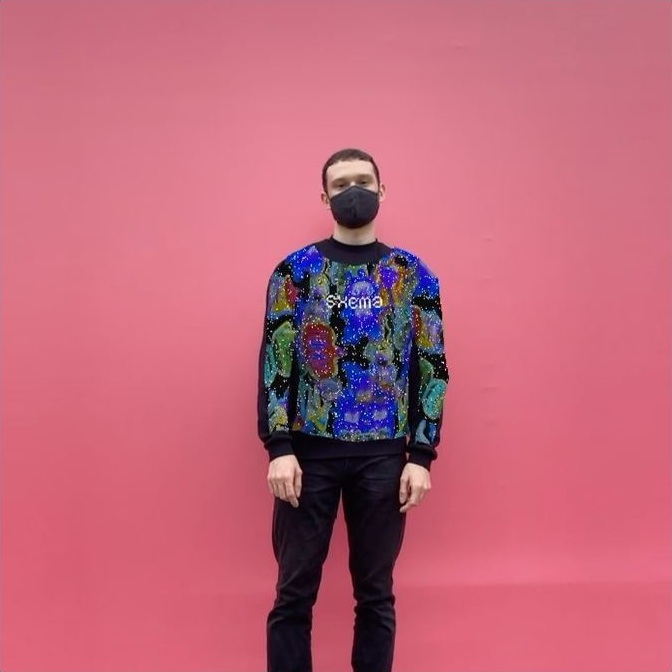
Original post on Instagram ↗
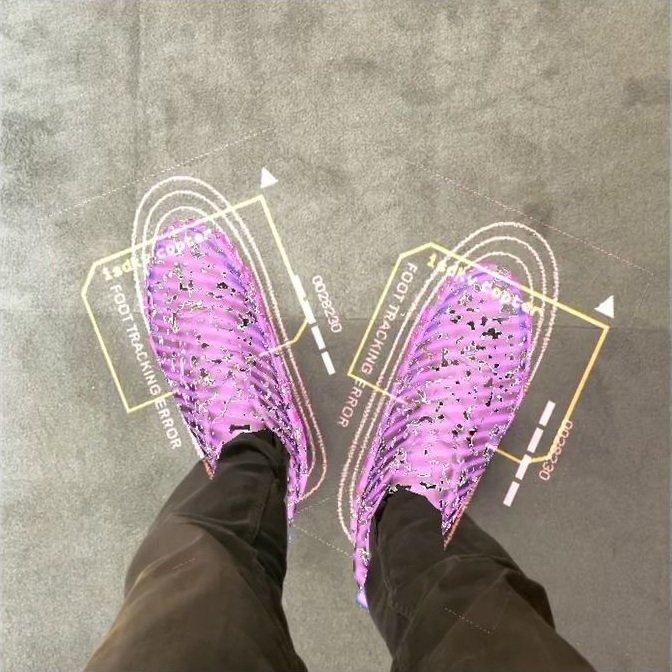
Original post on Instagram ↗
Original post on Instagram ↗
Explore the original research diary · 41 posts
Studio and partner documentation from 2021–2022: experiments, team contributions, interactive formats and physical production.
- Early monster imagery and the collection concept ↗
- The generated visual world ↗
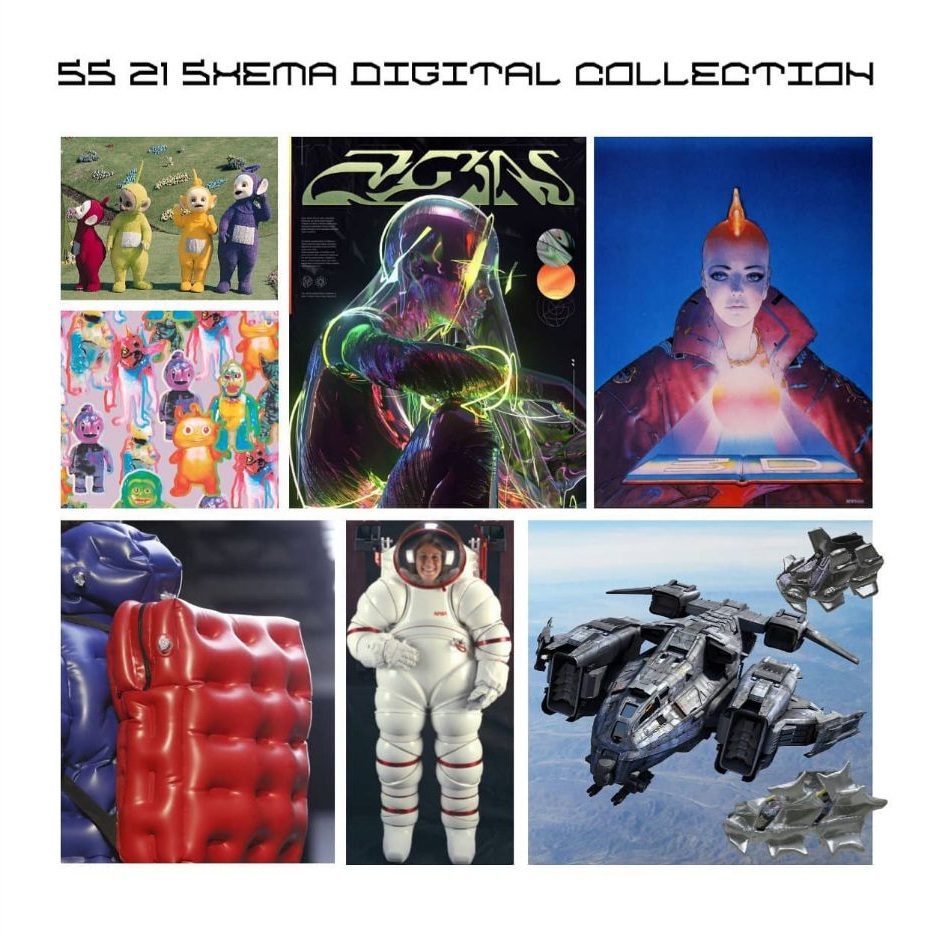
- Mood and collection references ↗
- New collaborators: avatars and digital clothing ↗
- Beinopen: demonstrating clothing and avatar workflows ↗
- Monster footwear by Ilyas ↗
- An interactive monster randomizer ↗
- Brazilian Digital Fashion Week premiere ↗
- DRESSX release alongside the Brazilian show ↗
- Remote production diary and team credits ↗
- Look two: puffer, sneakers and accessories ↗
- Self-expression through digital fashion ↗
- Avatar and garment close-ups ↗
- Look three and digital dressing ↗
- Monster footwear in Snapchat ↗
- A digital puffer study ↗
- A digital look breakdown ↗
- Avatar styling details ↗
- Generated character animation ↗
- Photograph quality and digital fitting ↗
- A digital top fitted onto a photograph ↗
- Sharing the work at Raskroi ↗
- Further generative imagery ↗
- Digital garment details ↗
- Experimenting with visual presentation ↗
- Eva introduces the studio at Raskroi ↗
- Sweatshirt try-on filters ↗
- AR footwear at the exhibition ↗
- Avatar experimentation at Russian Creative Week ↗
- Generated-monster stickers and public discussion ↗
- Reinterpreting the shoes for nss magazine ↗
- The nss future-sneaker invitation ↗
- An archived view of the nss feature ↗
- Virtual characters and alter egos ↗
- Replicant × SXEMA partnership ↗
- Replicant explains the phygital drop ↗
- Pre-order launch and selection of physical pieces ↗
- Introducing IV / Ivy, the virtual model ↗
- The completed physical and digital drop ↗
- Meet Victoria Kobelkova, 3D clothing designer ↗
- The Rosee Factory production tour ↗
The finished collection
7 views · Physical and digital clothing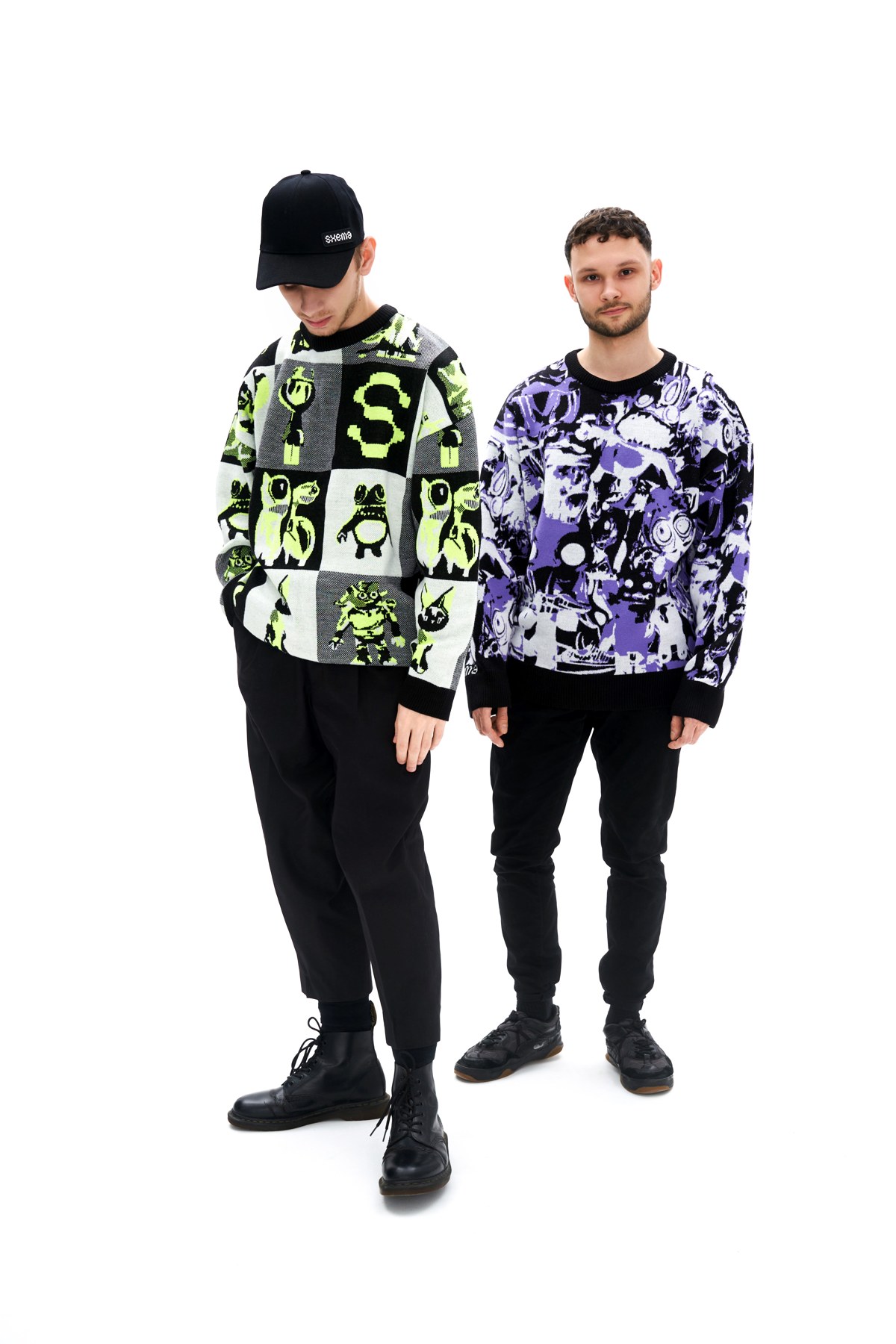
PAGE magazine · Six scans from issue 02/2022
Featured in PAGE magazine
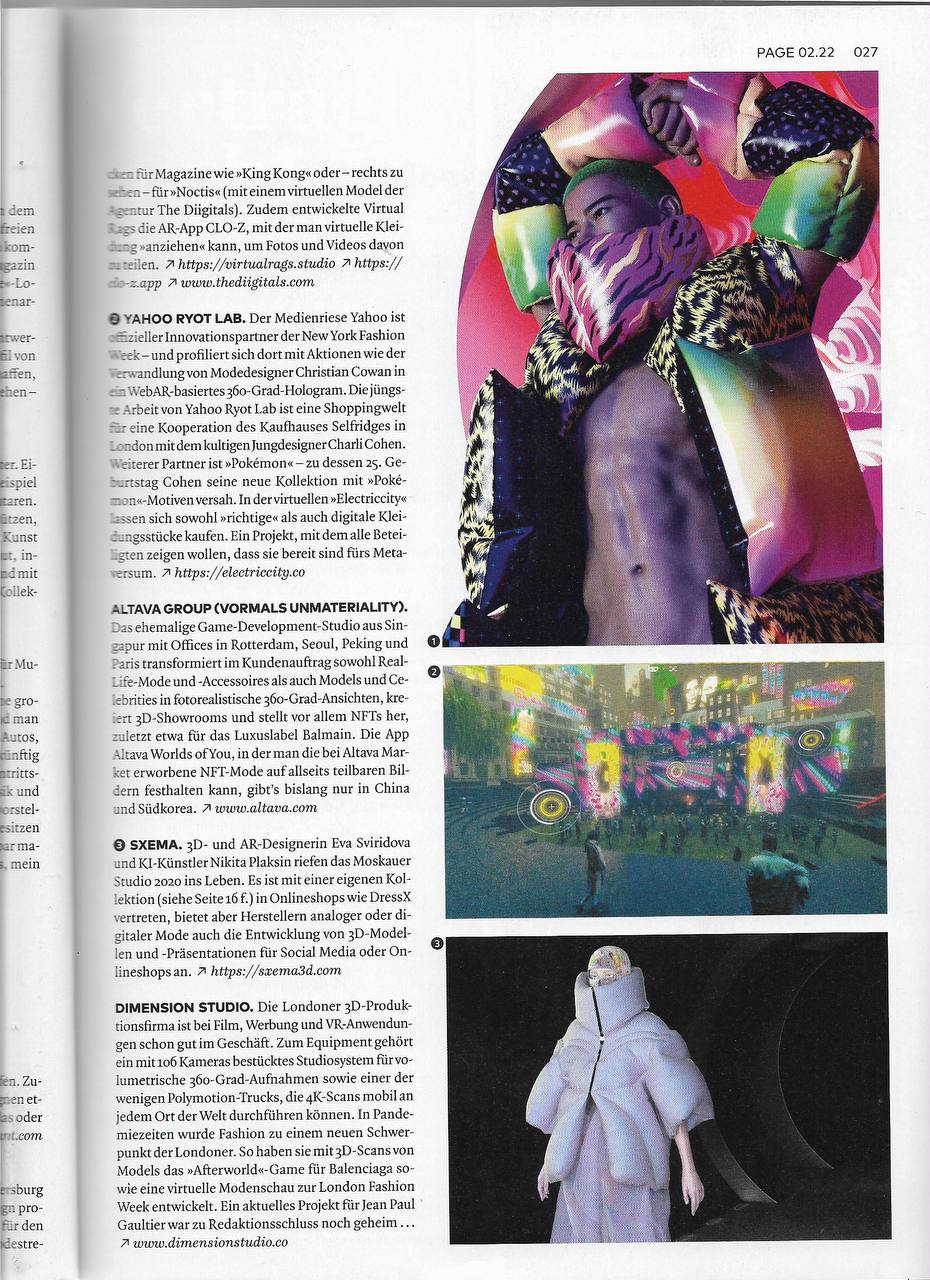
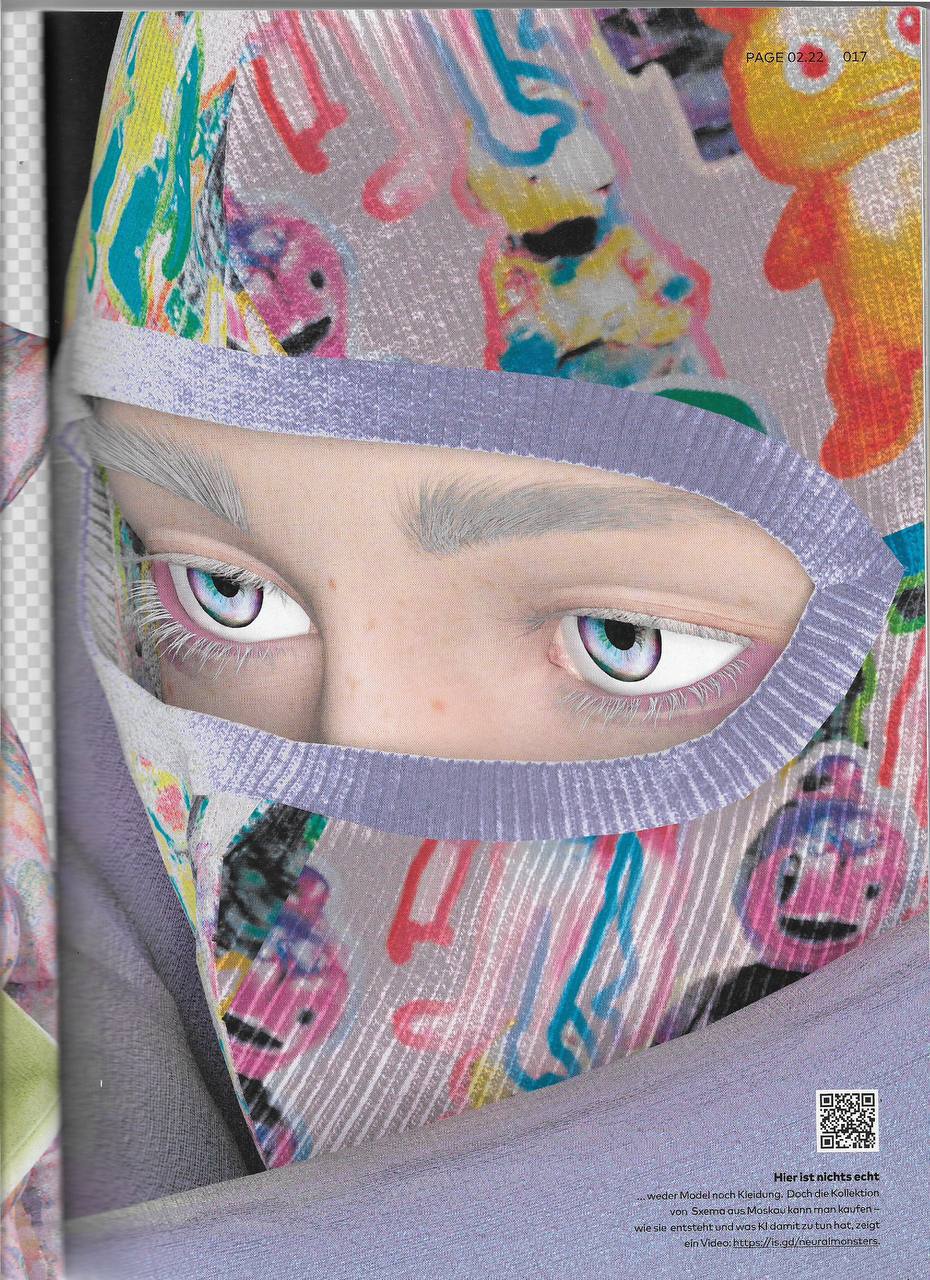
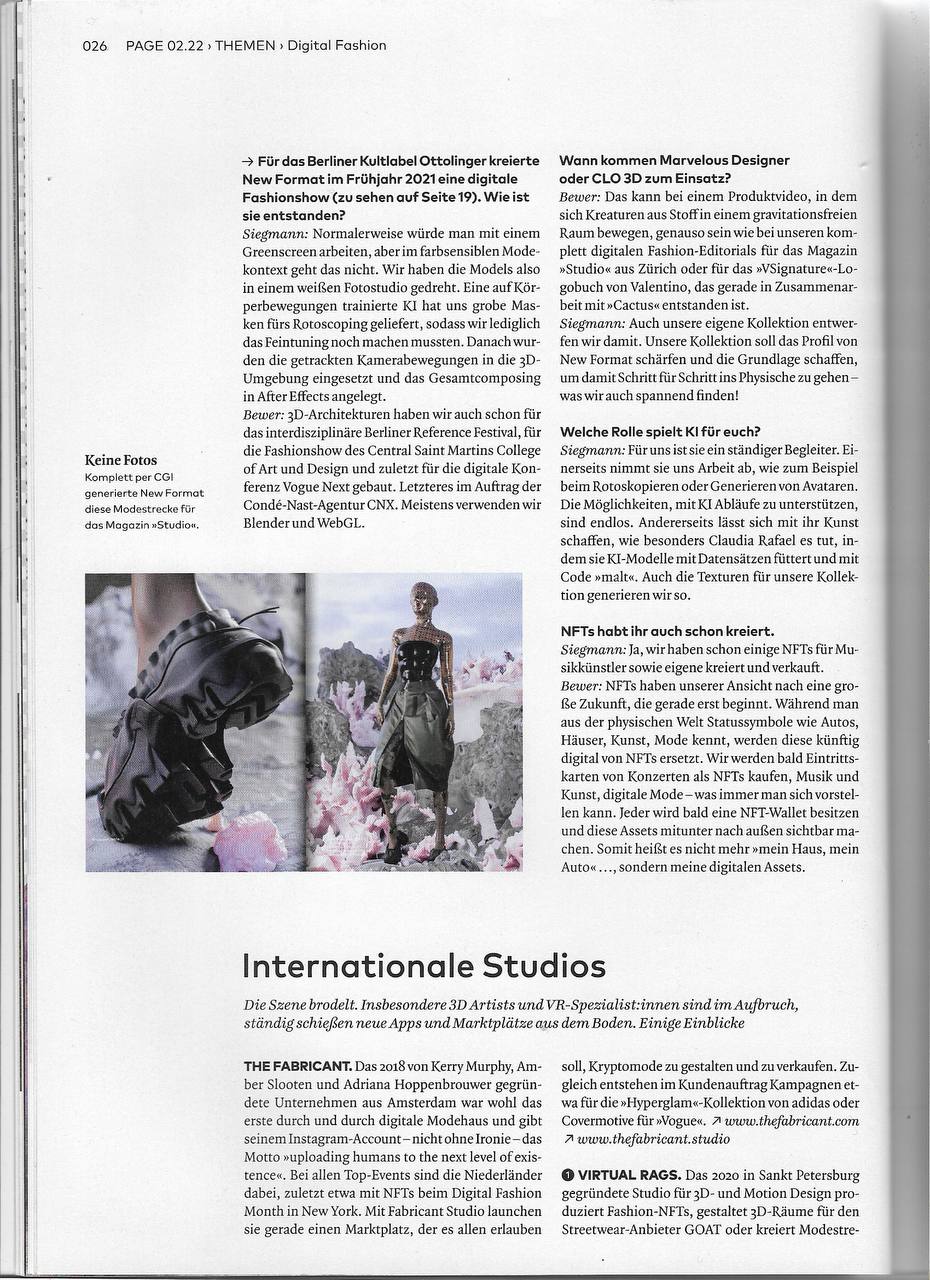
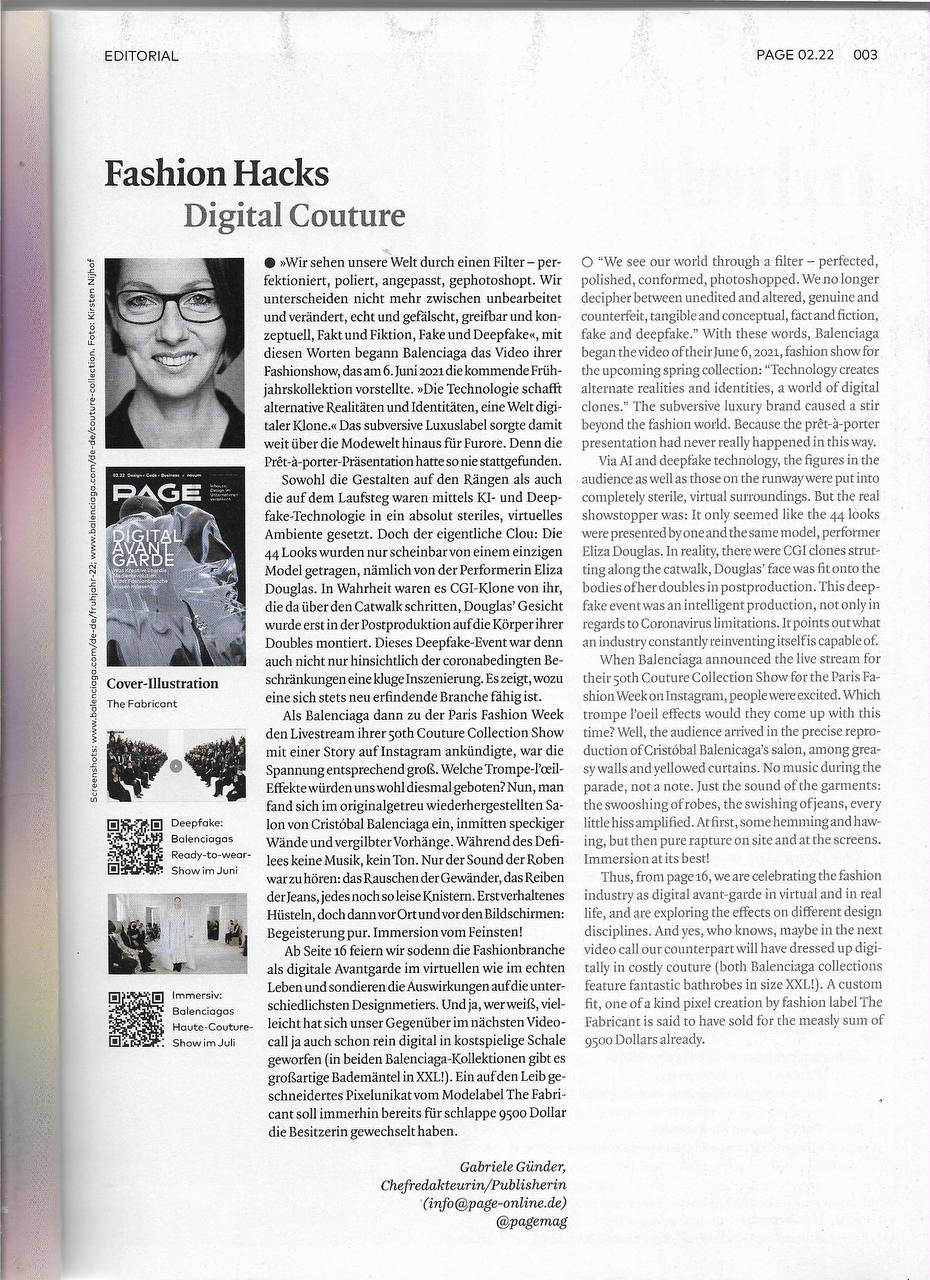
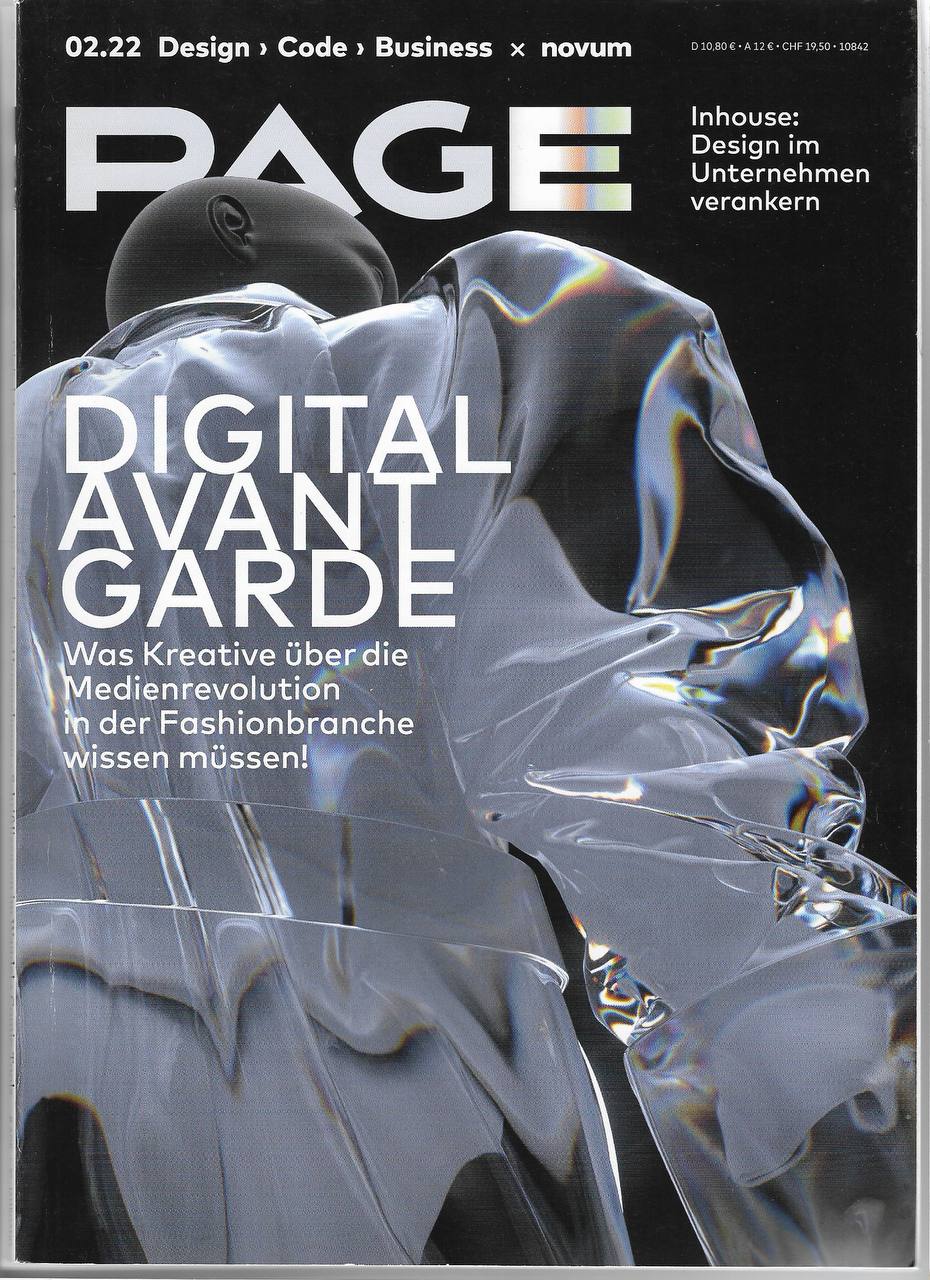
PAGE, Germany · Issue 02/2022. The magazine featured our Neural Monsters collection in its coverage of digital and phygital fashion. Six scans from the print edition, including the cover. Click any page to read it at full size.
Panelki / Generative Knitwear ↗
Sources and documentation
Neural Monsters on Replicant ↗
DRESSX release and Brazilian digital runway show ↗
Pre-order and selection process · 22 April 2022 ↗
Completed phygital drop · 23 May 2022 ↗
Watch the Brazilian Digital Fashion Week film ↗
Production diary & full team credits · June 2021 ↗
SXEMA brand archive on DRESSX ↗
Replicant on the physical and digital collection · April 2022 ↗