MHPI × SXEMA · May–July 2023
Co-creating
Generative Knitwear
How can a generative knitwear process become something students can learn, experiment with and take into physical production?
From our experiments to a course
I initiated and led the partnership with the Moscow Art and Industry Institute through SXEMA, the studio I founded and directed. I negotiated with the institute and the factory to launch a continuing education programme in generative knitwear based on my collaborative research. The course connected generated imagery with garment development and physical fabrication.
My role and the shared process
I brought together former colleagues specialising in clothing design, generative imagery and knitting programming. We co-authored the curriculum; I reviewed their teaching blocks and advised what to add or remove. I also taught lectures and established the partnership with Rosee Factory, connecting generative design, 3D prototyping, knitting programming and production.
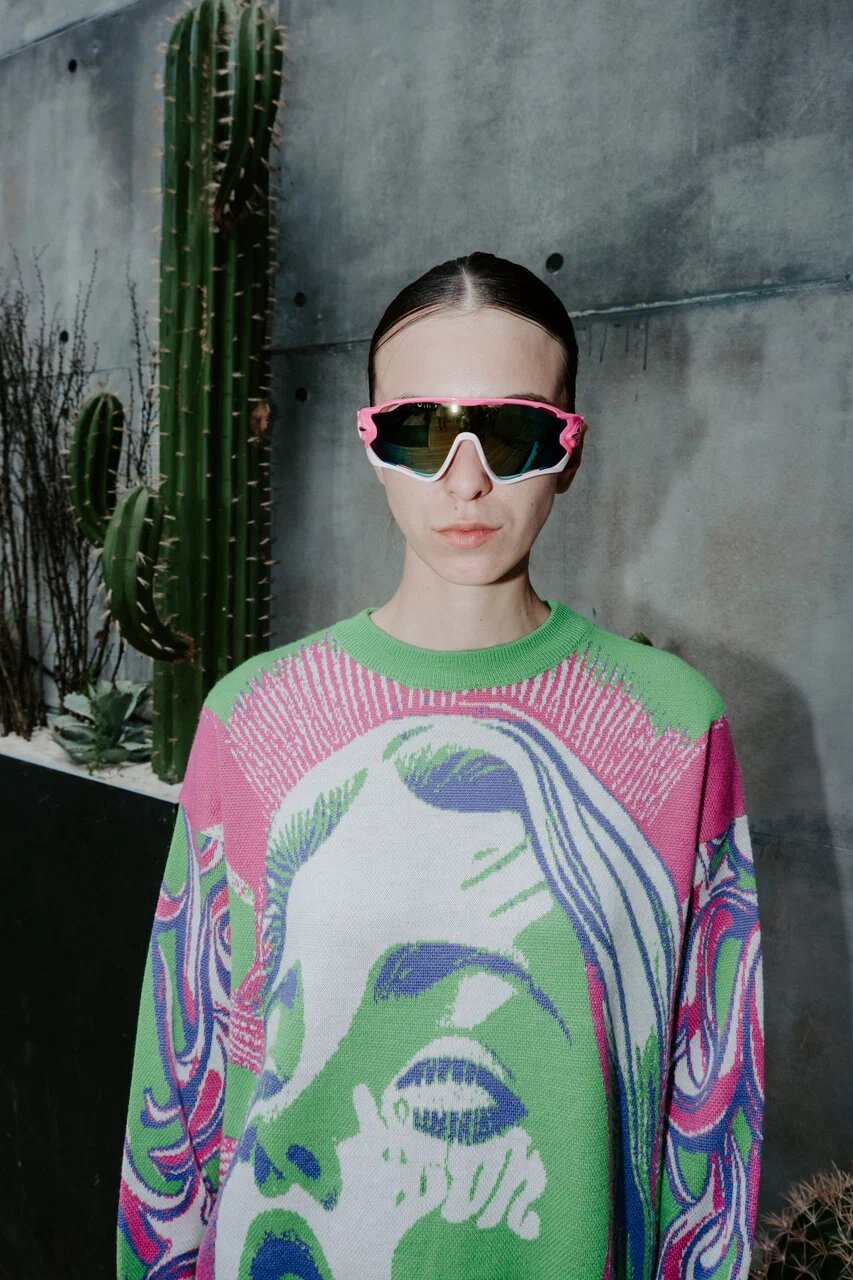
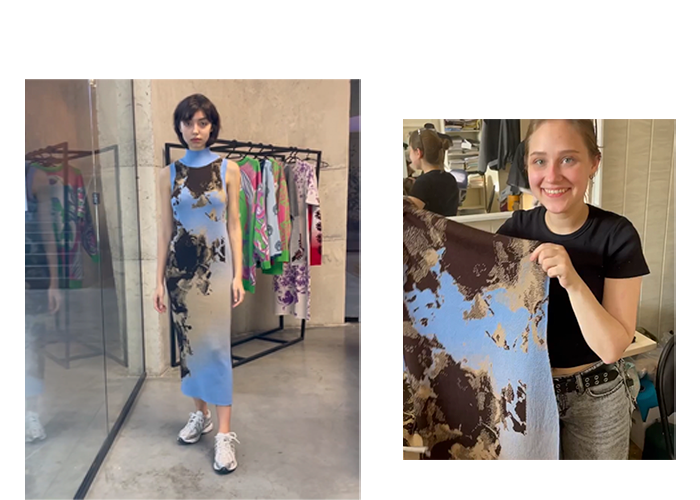
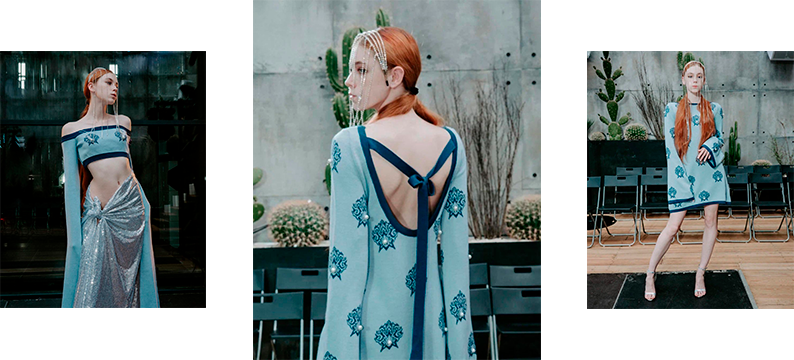
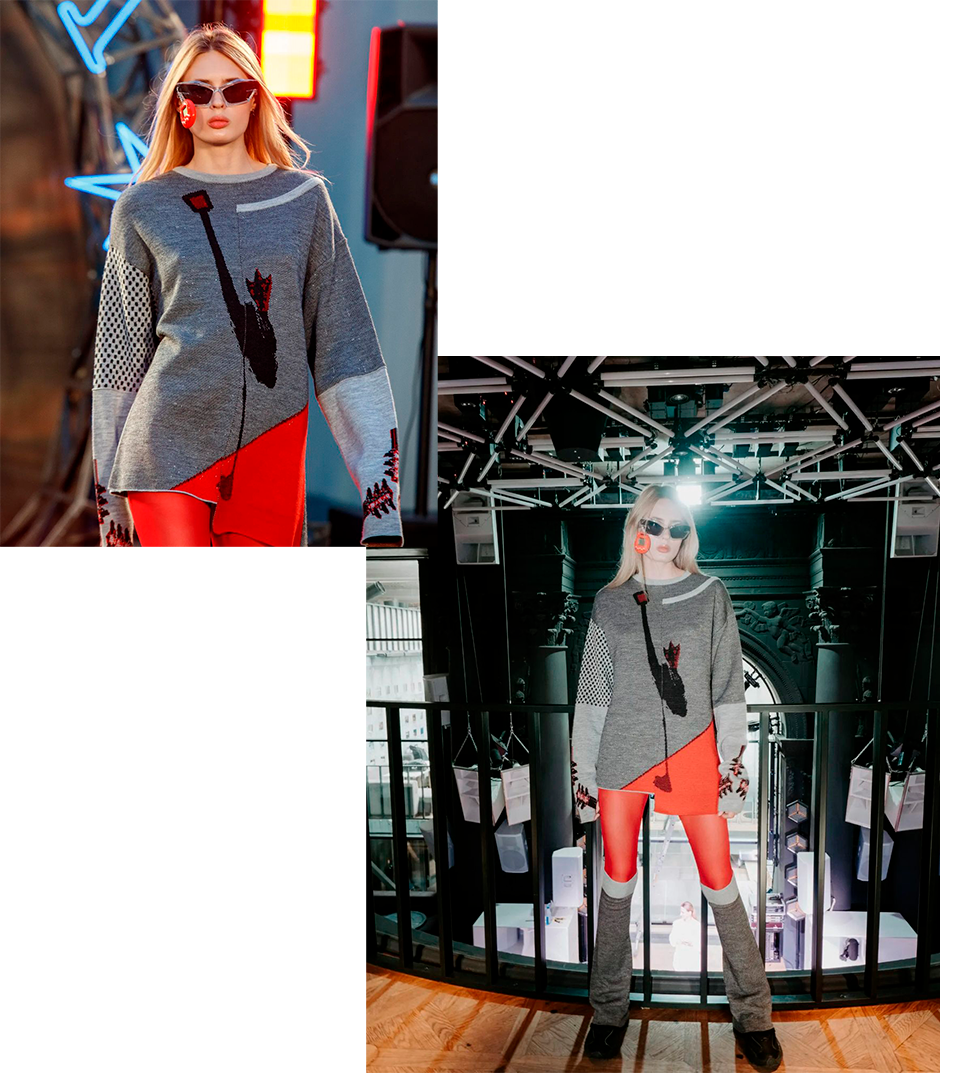
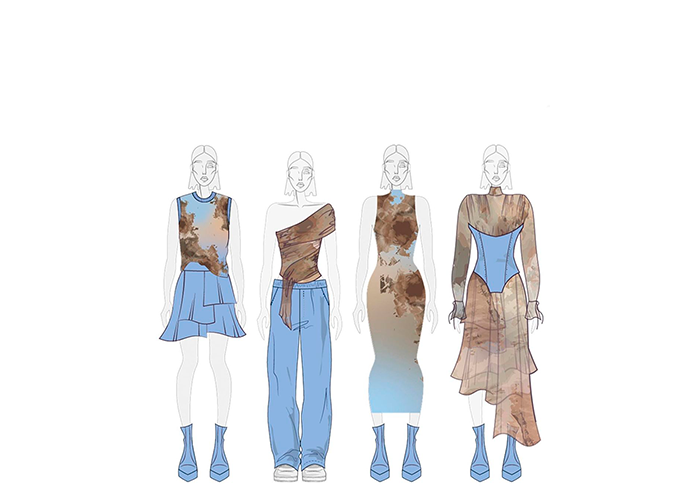
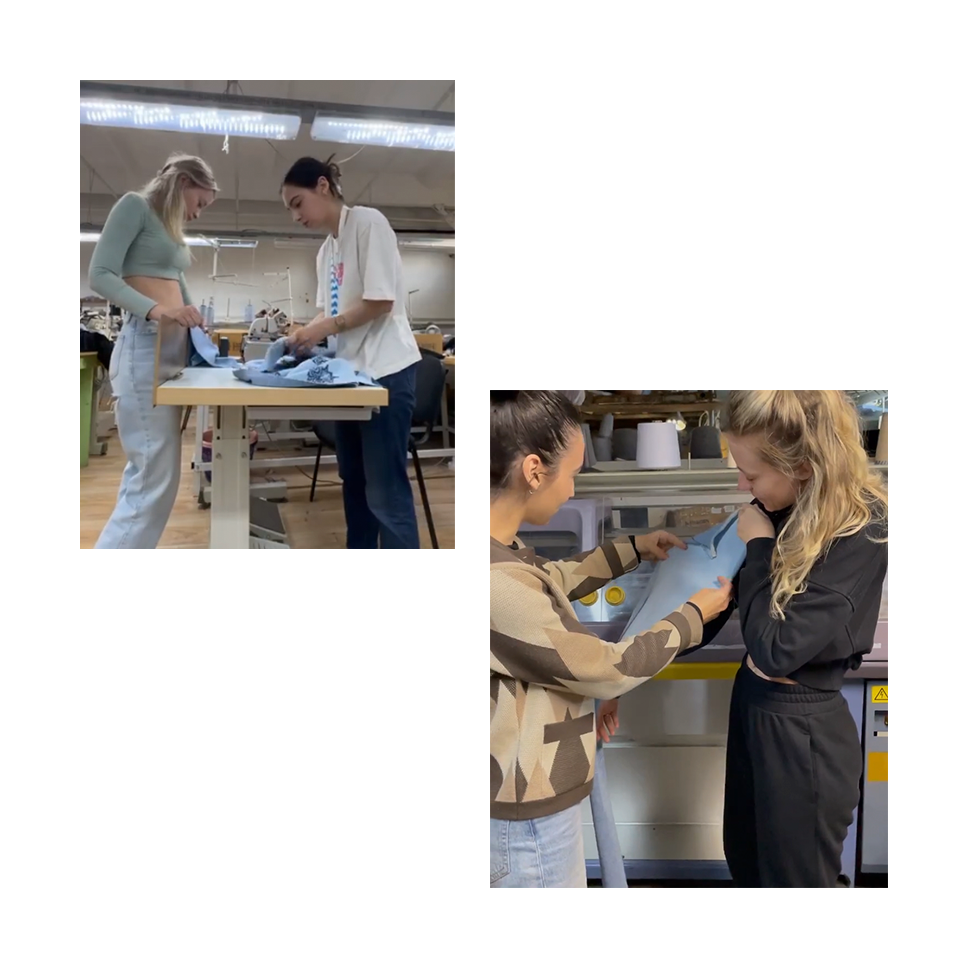
The students developed their own garments with support from the teaching team and factory specialists. The work shown here is theirs.
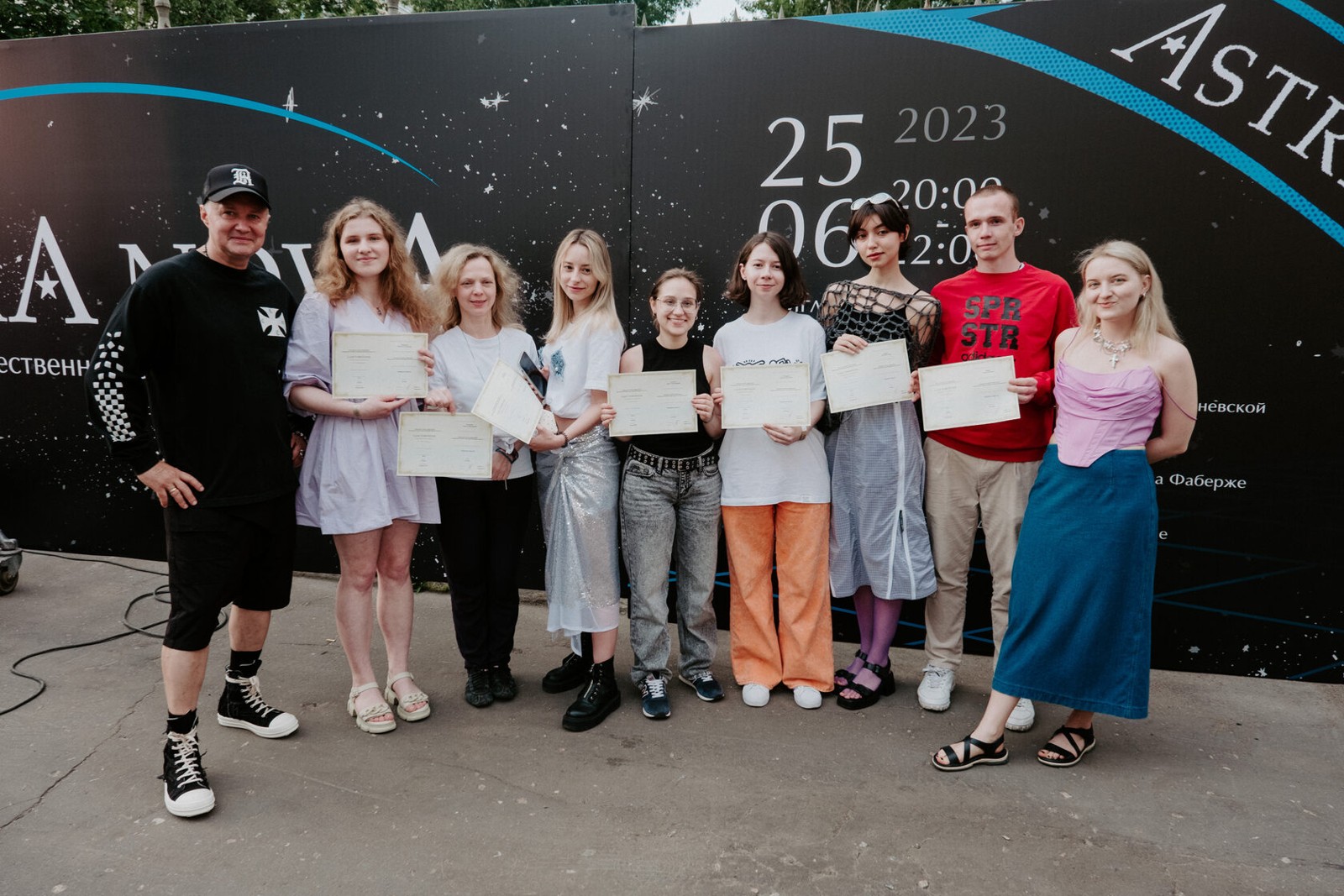
The programme also addressed what happens beyond making: students mention my lecture on trademark registration and entering marketplaces. I organised a photoshoot before the runway so they could document their finished looks.
Learning at the technical boundaries
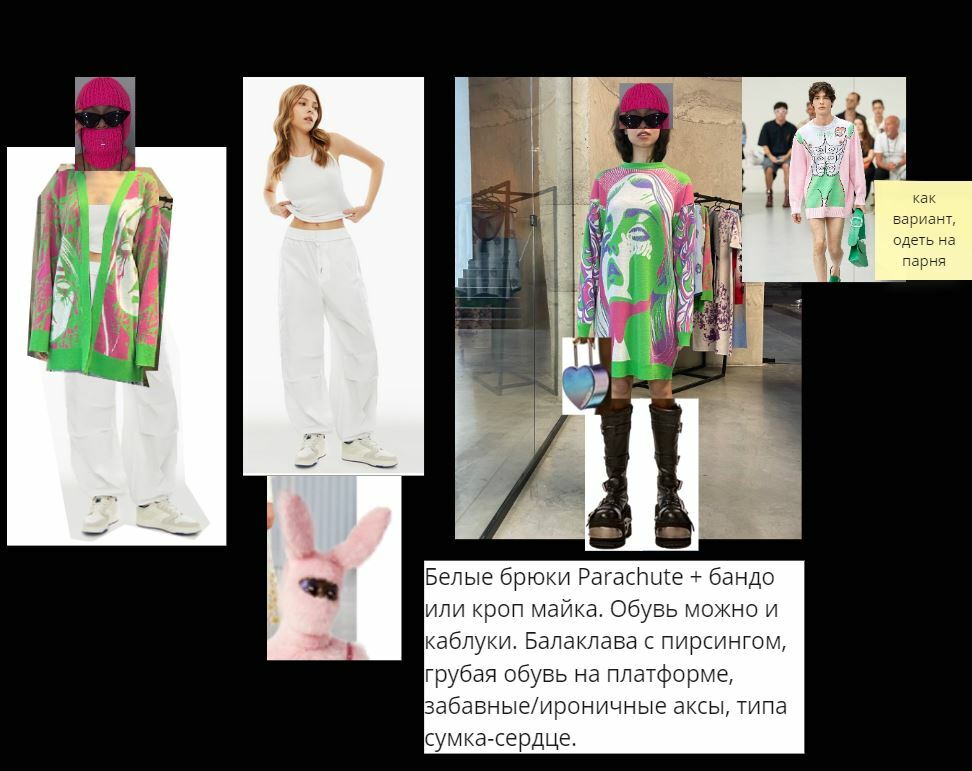
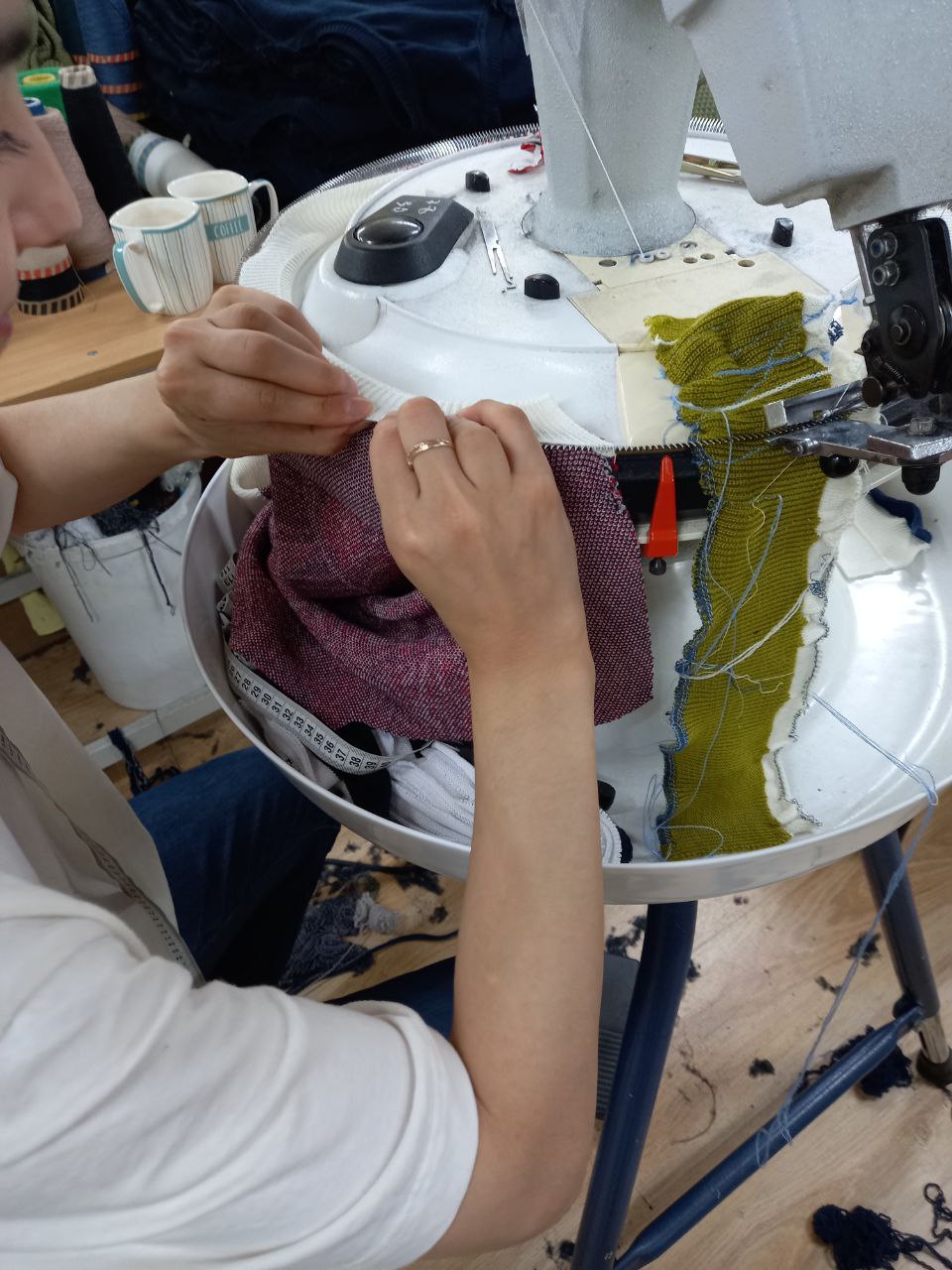
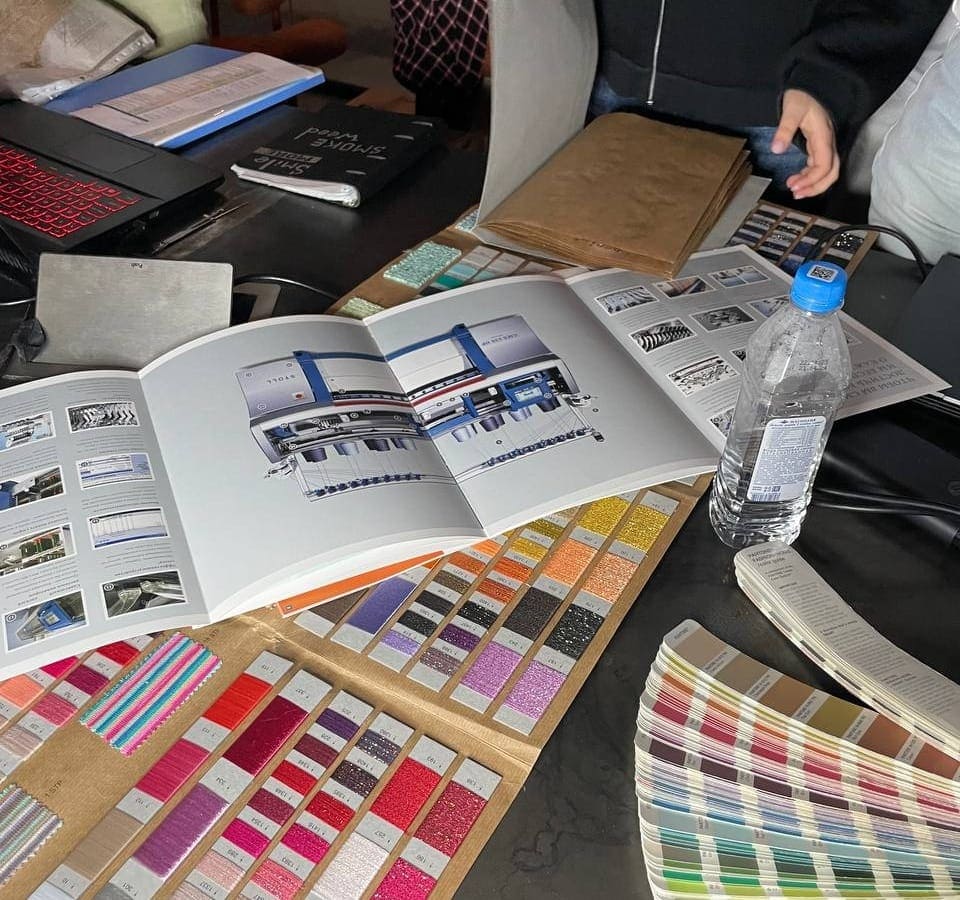
In their published reflections, students describe the hardest transition as turning an image into knitted fabric: calculating stitches, positioning a motif on the stitch grid and simplifying it for a limited yarn palette. Fine detail had to give way to readable shapes and tonal contrast. Factory sessions and access to the desinator helped them work through these decisions.
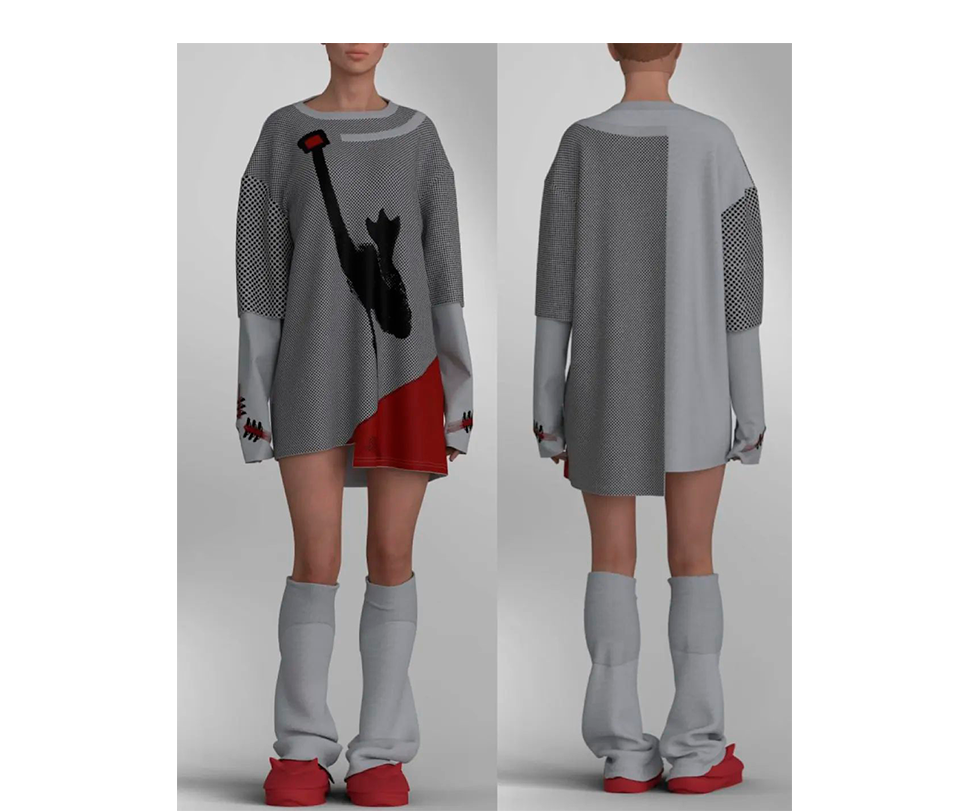
One student, Anya Krol, trained a Stable Diffusion LoRA on an artist’s work with his permission, then developed her garment in CLO 3D before physical production. Her project explored the relationship between virtual and physical life. This shows how students could bring an individual concept into the shared workflow.
What the students made
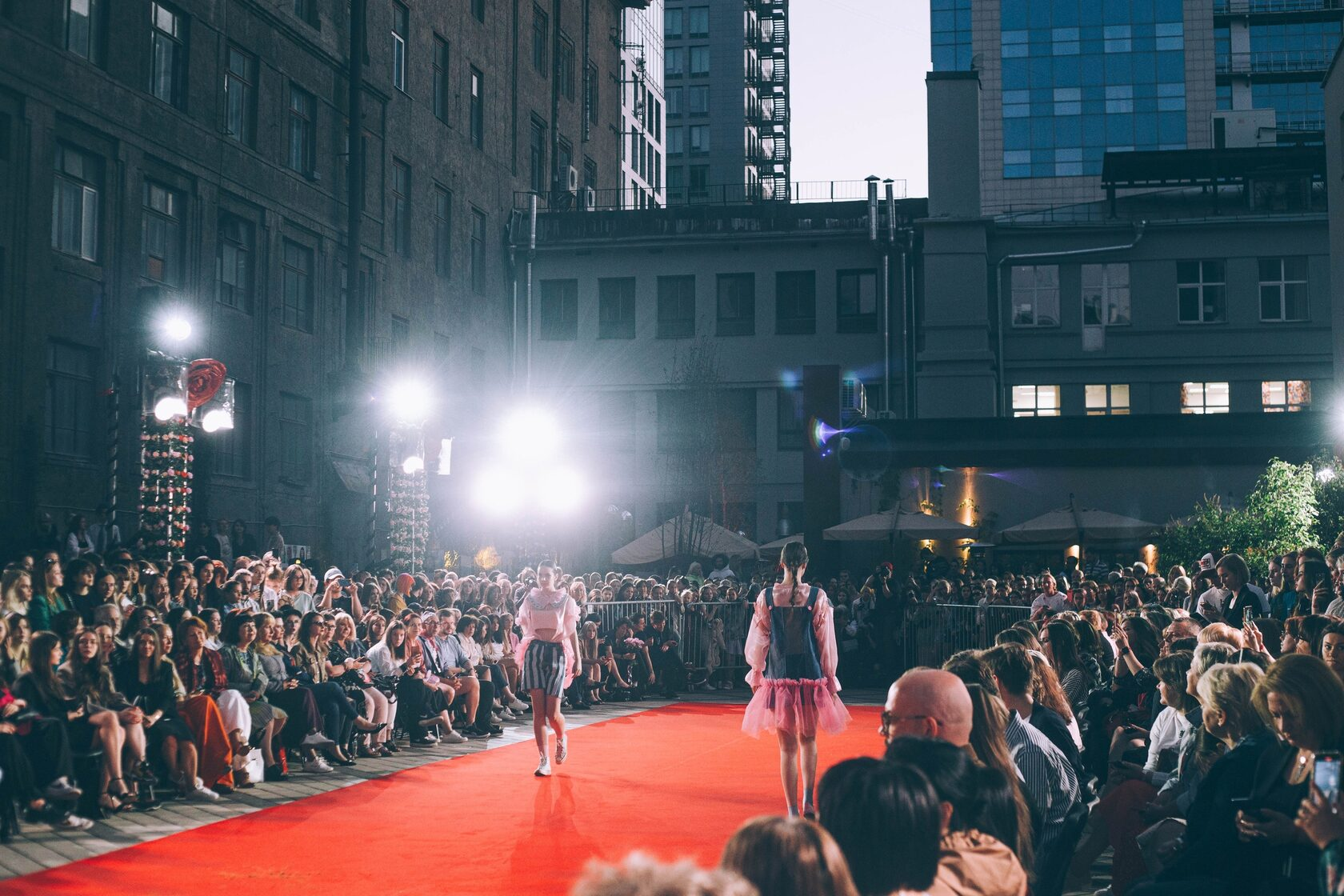
The entire course took just two months, from its start to the final presentation. I arranged with MHPI’s rector for our students to join the institute’s end-of-year fashion show. Each of the seven students presented two looks on models: fourteen runway looks in total. The course culminated in a full fashion-show presentation of their own designs.
The question I want to carry into further research is how creative tools can make the technical transitions easier to understand while leaving room for each person’s design decisions.
Students completed the full workflow with guidance from the teaching team and factory specialists.